08045803790
 English
 Spanish
 French
 German
 Italian
 Chinese (Simplified)
 Japanese
 Korean
 Arabic
 Portuguese


Most Popular Products

 Send Inquiry
Ball Clay
MOQ : 20 MT Metric Tons
Ball Clay Specification
- Surface Finish
- Smooth after firing
- Application
- Ceramics, Refractories, Sanitary ware, Tiles, Pottery
- Usage & Applications
- Vitrified tiles, sanitary ware, tableware, ceramics, firebricks
- Density
- 1.8 Gram per cubic centimeter(g/cm3)
- Chemical Composition
- Al2O3 (Alumina): 25-35%, SiO2 (Silica): 50-60%, Fe2O3 & TiO2: <2%
- Purity(%)
- Up to 95%
- Melting Point
- 1700-1750°C
- Water Absorption
- 10-20%
- Form
- Fine powder / Natural lump
- Hardness (%)
- Mohs scale: 2-2.5
- Product Type
- Refractories
- Types of Refractories
- Silicate-based refractory clay
- Shape
- Powder or lumps
- Porosity
- 15-25%
- Dimensional Stability
- Good under thermal stress
- Strength
- High plasticity and bonding strength
- Specific Gravity
- 2.58-2.65
- Thermal Conductivity
- Low
- Color
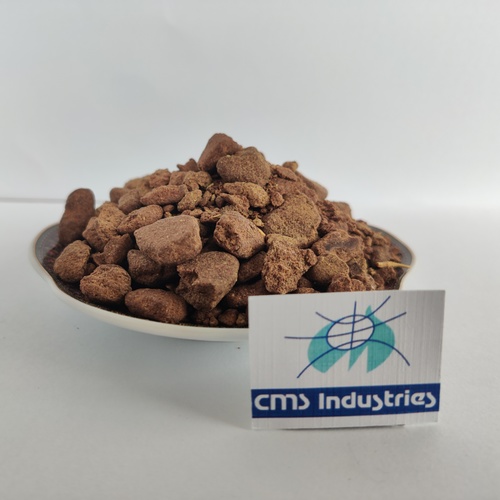
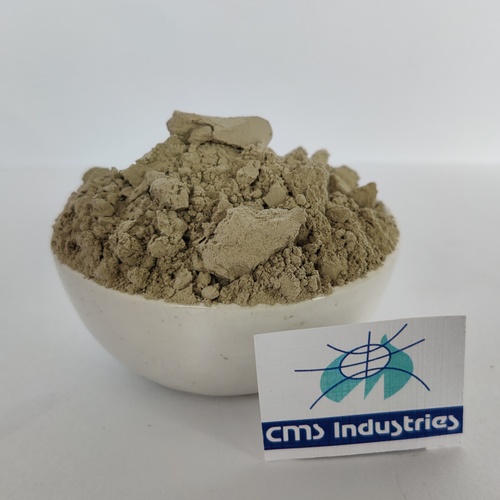
- Light grey to cream; turns white after firing
- pH Value
- 6.5-7.5 (neutral to slightly acidic)
- Shrinkage
- 5-7% after drying/firing
- Plasticity Index
- High
- Whiteness After Firing
- 80-90%
- Loss On Ignition (LOI)
- 12-15%
- Particle Size
- Up to 45 microns (fine powder)
Ball Clay Trade Information
- Minimum Order Quantity
- 20 MT Metric Tons
- FOB Port
- Mundra
- Payment Terms
- Delivery Point (DP), Letter of Credit (L/C), Western Union, Telegraphic Transfer (T/T), Days after Acceptance (DA)
- Supply Ability
- 500 Metric Tons Per Month
- Delivery Time
- 12 Days
- Sample Available
- Yes
- Sample Policy
- Free samples are available
- Main Export Market(s)
- Western Europe, Australia, North America, Eastern Europe, Central America, Middle East, South America, Asia, Africa
Ball Clay About
Ball Clay / Plastic Clay
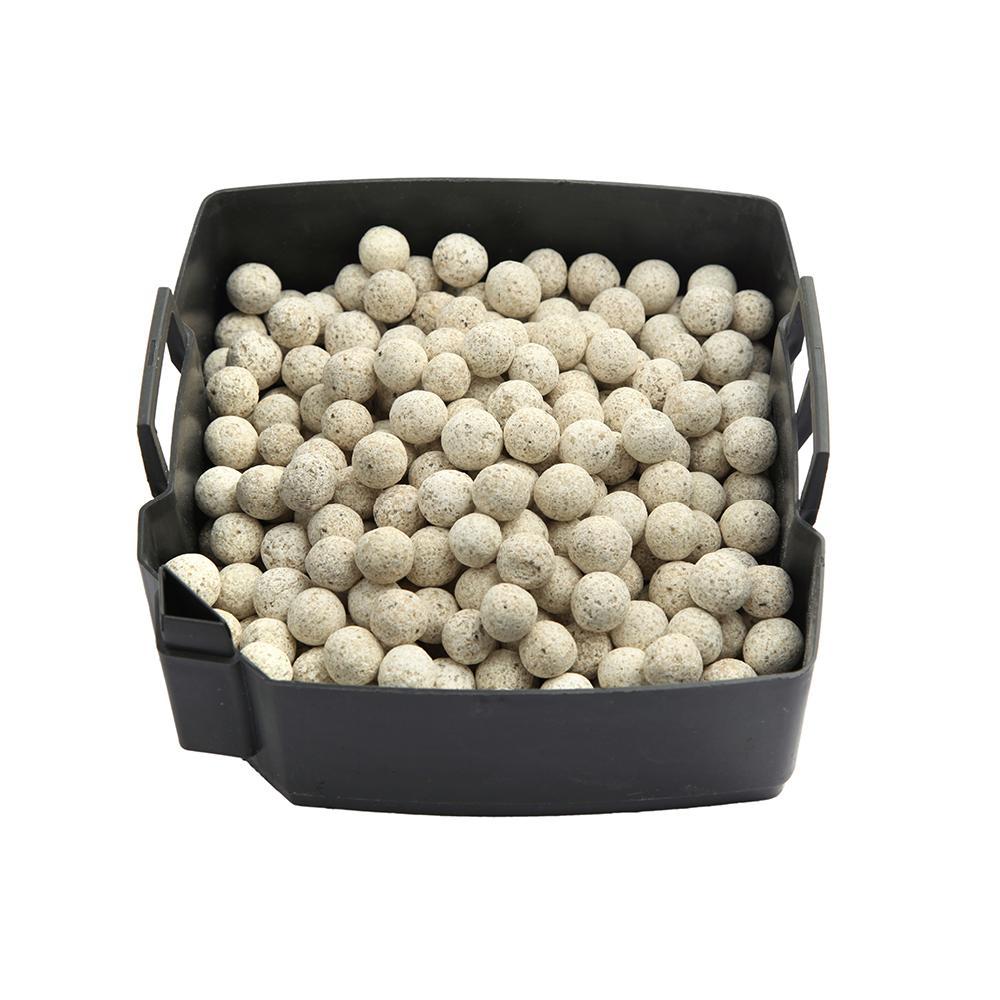
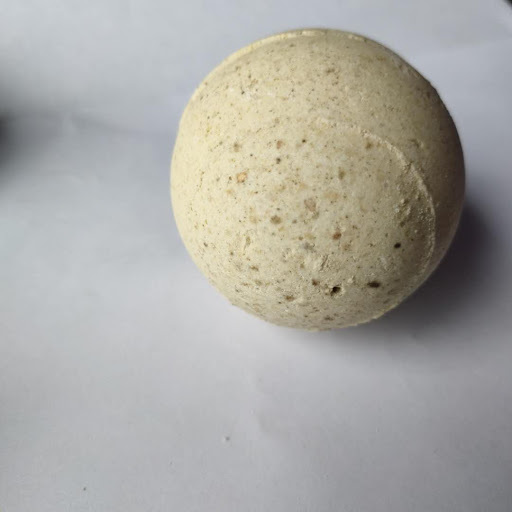
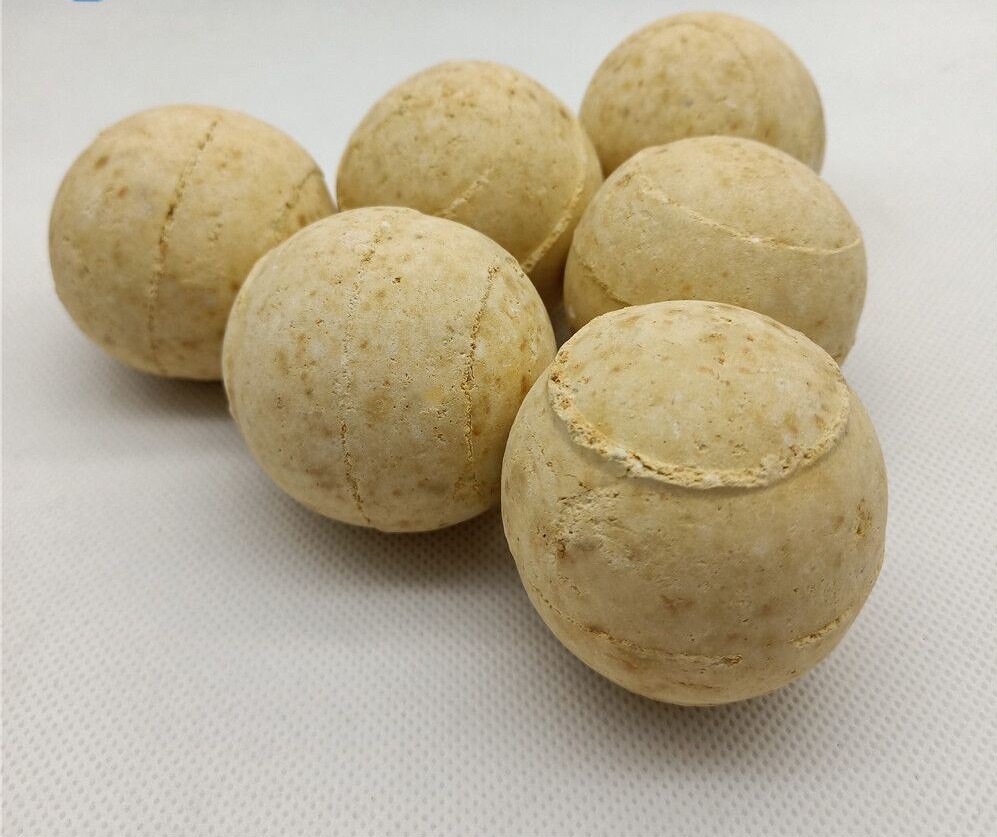
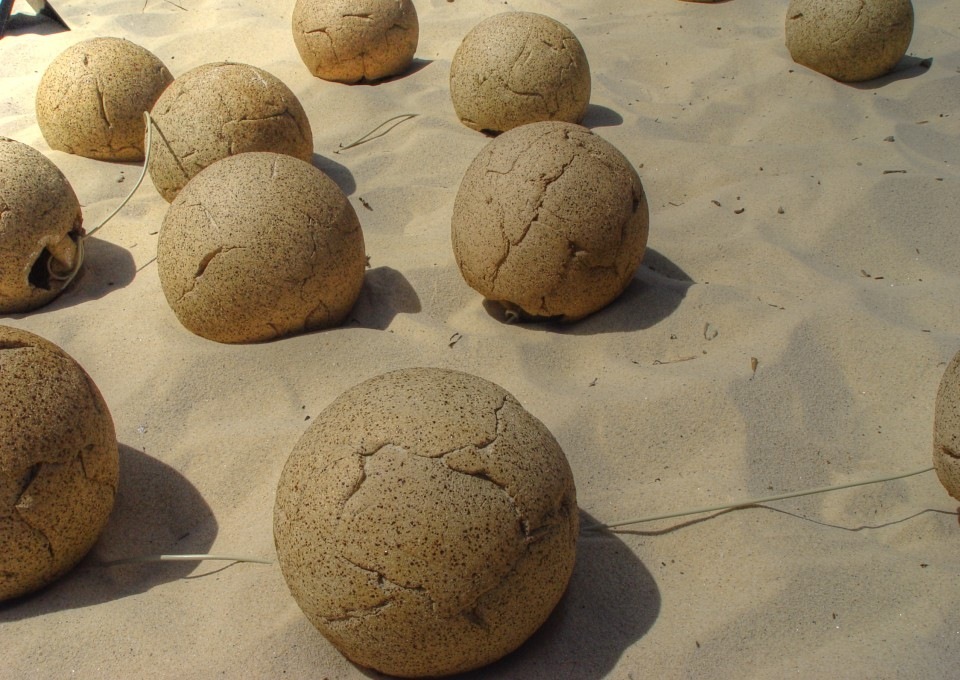
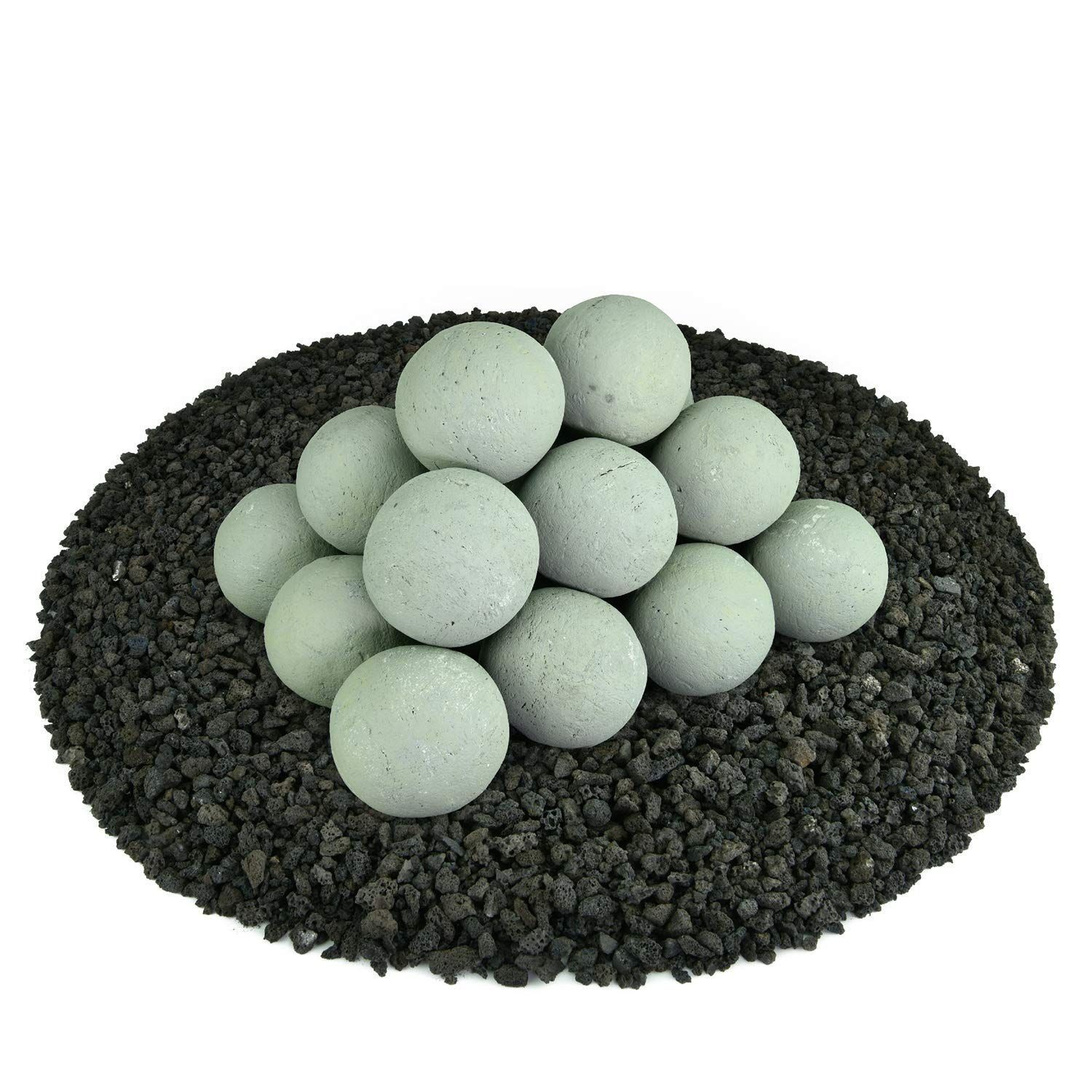
Ball Clay / Plastic Clay is a sedimentary mineral which is most commonly known as ball clay which consist of kaolinite with a percentage in between 20 to 80 percent and mica in between 10 to 25 percent. It is available in solid spherical for with a size nearly equal to that of a golf ball. This earthy material is widely used in various industries such as ceramic manufacturing, tile making, as a refractory element for kiln insulation, as an electrical porcelain insulator and many more.
Exceptional Plasticity and Strength
Ball Clay features a high plasticity index, providing excellent bonding strength, which is essential for shaping ceramics and tiles. This property allows manufacturers to produce intricate designs and durable products with good dimensional stability, even under thermal stress.
Outstanding Firing Whiteness and Smooth Finish
After firing, Ball Clay turns from light grey or cream to an attractive white, achieving 80-90% whiteness. Its fine particle size (up to 45 microns) and smooth finish make it perfect for tableware, sanitary ware, and vitrified tiles where appearance is crucial.
Versatile Industrial Applications
Ball Clay is highly valued in industries such as ceramics, refractories, pottery, tiles, and firebrick manufacturing. Its low thermal conductivity, moderate porosity, and high purity support usage in both exporting and local manufacturing, ensuring reliable results for diverse applications.
FAQ's of Ball Clay:
Q: How is Ball Clay used in the production of ceramics and sanitary ware?
A: Ball Clay is incorporated into ceramic and sanitary ware formulations for its high plasticity and bonding strength. It enables the creation of intricate designs, offers good dimensional stability, and produces smooth, white surfaces after firing.Q: What makes Ball Clay suitable for refractory and tile applications?
A: Its silicate-based composition, high alumina and silica content, and low thermal conductivity provide excellent thermal resistance and stability. These characteristics are essential for firebricks, tiles, and other refractory products exposed to high temperatures.Q: When does Ball Clay achieve maximum whiteness?
A: Ball Clay reaches its peak whiteness (80-90%) after firing at optimal temperatures. Before firing, it appears light grey or cream, gradually transforming to white as the firing process completes.Q: Where can Ball Clay be sourced in India?
A: Ball Clay in India is supplied by exporters, manufacturers, and distributors, serving a range of industries. It is available in forms such as fine powder or natural lumps, depending on specific needs.Q: What is the process of preparing Ball Clay for industrial use?
A: Preparation involves mining, drying, and milling Ball Clay to the desired fine powder (up to 45 microns). The processed clay is carefully blended to stringent purity and chemical specifications before being distributed for industrial consumption.Q: How does Ball Clay benefit manufacturing compared to other clays?
A: With its high plasticity, strength, and excellent whiteness after firing, Ball Clay allows for superior surface finish, increased shaping flexibility, and reliable durability, especially in ceramics and tile production.Q: What are the advantages of Ball Clay's low thermal conductivity and good dimensional stability?
A: Low thermal conductivity ensures better heat resistance, while good dimensional stability maintains shape under thermal stress-both crucial for refractories, firebricks, and ceramic applications that require consistent performance under heat.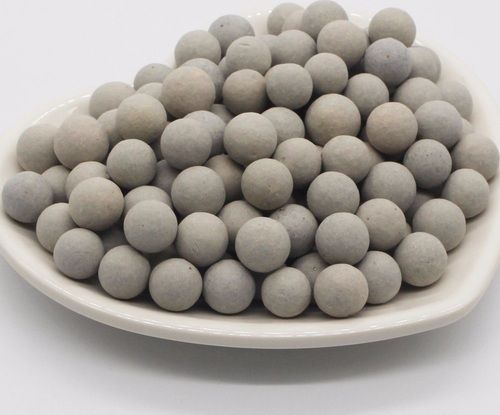
Tell us about your requirement

Price:
Quantity
Select Unit
- 50
- 100
- 200
- 250
- 500
- 1000+
Additional detail
Mobile number
Email

More Products in Clay-Based Refractoriees Category
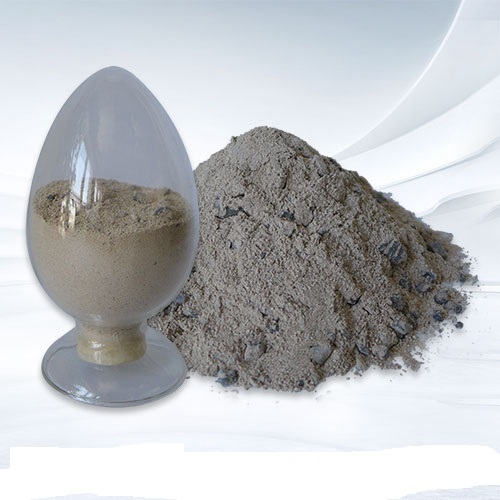
Fire Clay
Price Range 100.00 - 800.00 USD ($) / Metric Ton
Minimum Order Quantity : 20 MT Metric Tons
Application : Refractory linings, furnace construction, kilns, foundry, boiler work, incinerators
Types of Refractories : Other, Fire clay refractory
Product Type : Refractories
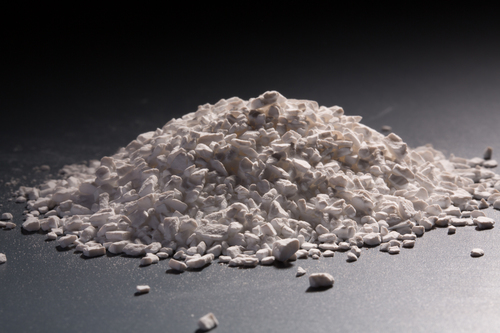
Silica Clay
Price 210 INR / Kilograms
Minimum Order Quantity : 100 Kilograms
Application : Paints
Types of Refractories : Silica, Other
Product Type : Other, Silica Clay

Quick Inquiry


Contact Details
GST : 24BDKPS7263P1ZO
C-9, 1st Floor, Opp. VBC Samajwadi, Bhuj - 370001, Gujarat, India
Phone :08045803790

 Send Inquiry
 |
CMS INDUSTRIES
All Rights Reserved.(Terms of Use) Developed and Managed by Infocom Network Private Limited. |
