 English
 Spanish
 French
 German
 Italian
 Chinese (Simplified)
 Japanese
 Korean
 Arabic
 Portuguese



 Send Inquiry
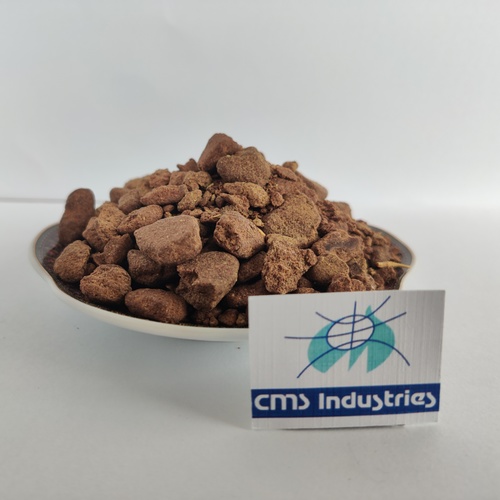
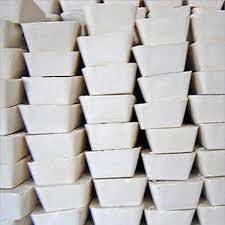
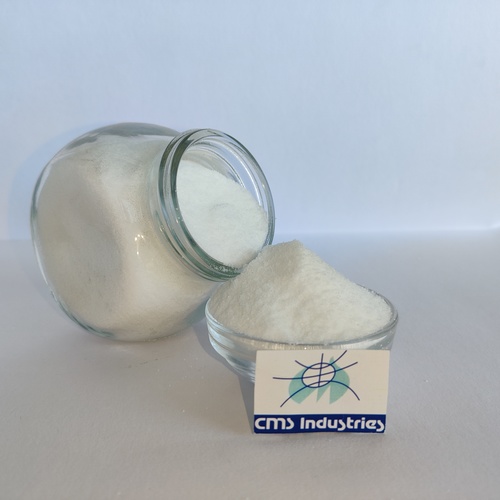
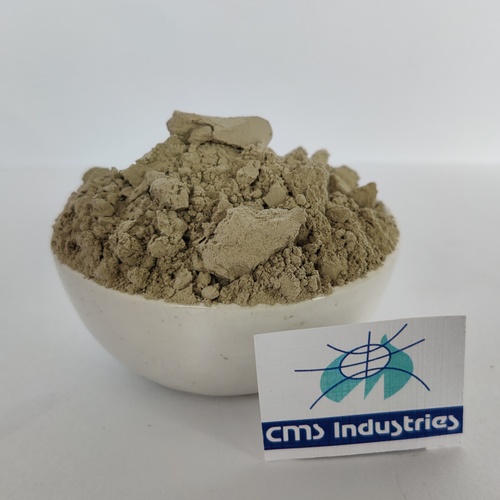
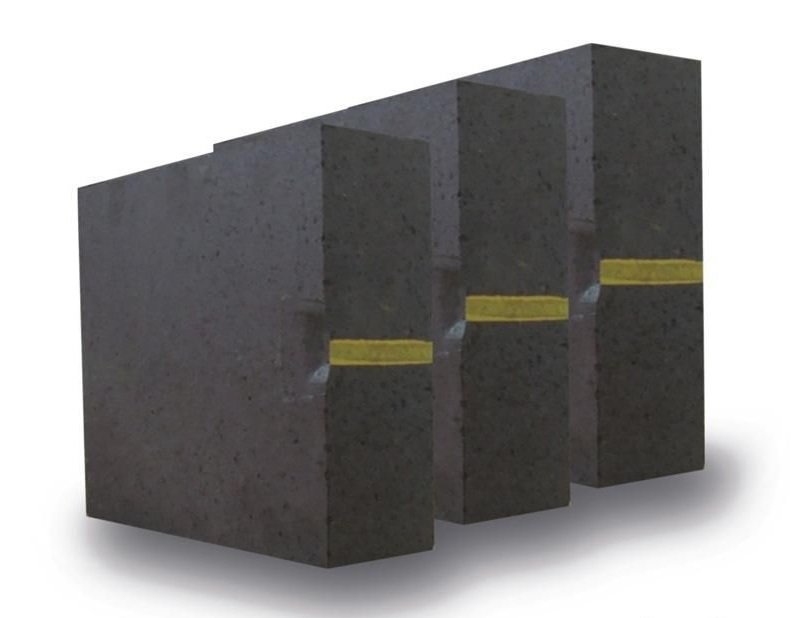
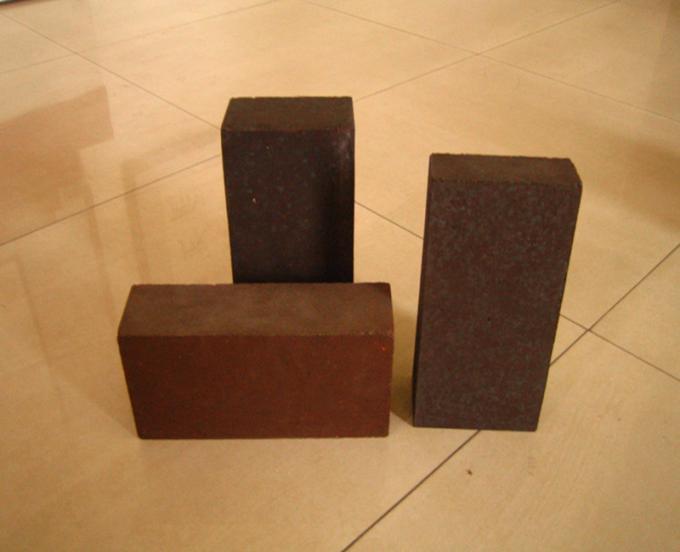
Magnesite Bricks
Magnesite Bricks Specification
- Density
- 3.0 Gram per cubic centimeter(g/cm3)
- Usage & Applications
- Furnace Lining, Kilns, Regenerators
- Hardness (%)
- Above 95%
- Application
- Lining of steel making furnaces, non-ferrous metal furnaces, and glass tank regenerators
- Surface Finish
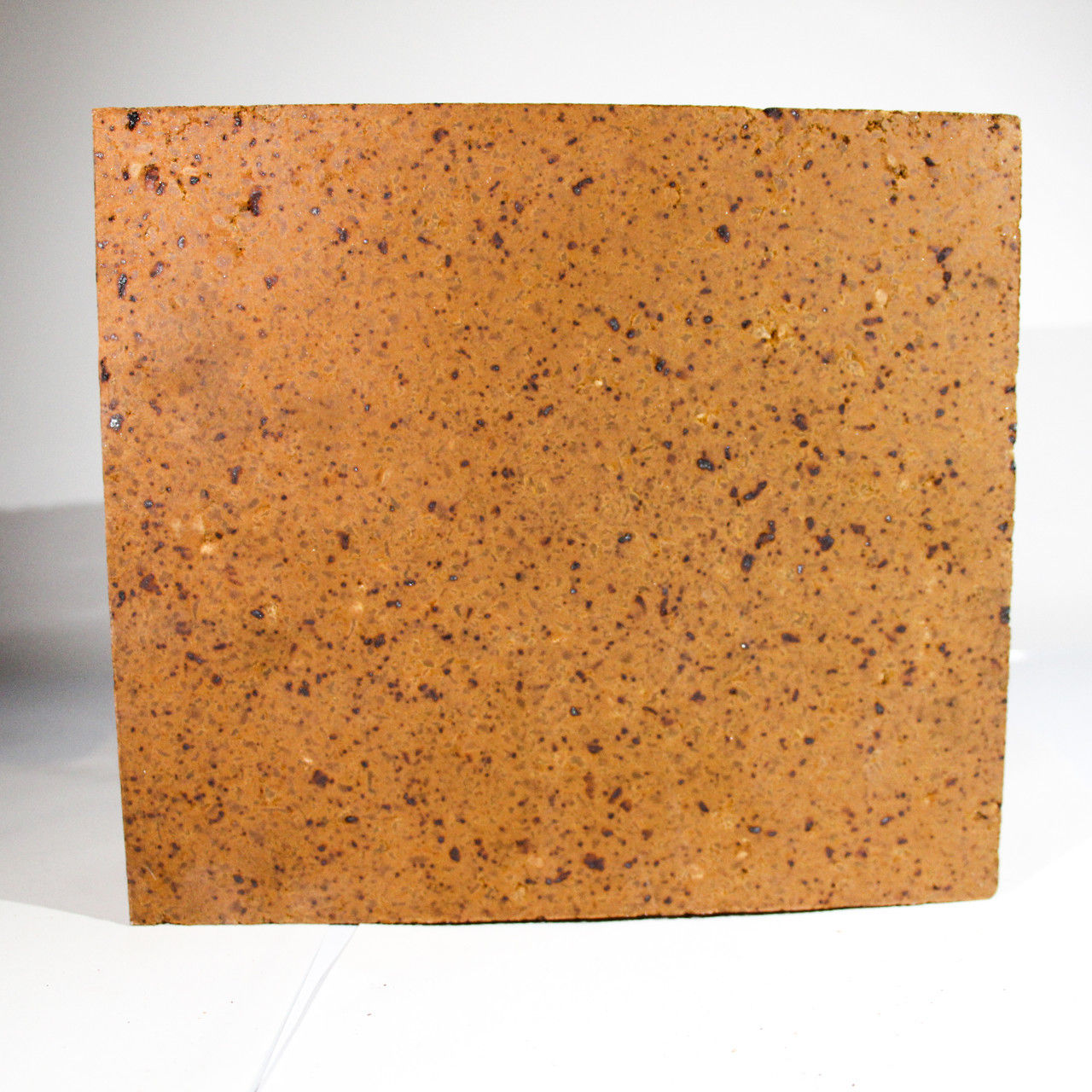
- Smooth
- Purity(%)
- 85% to 95%
- Water Absorption
- < 2%
- Melting Point
- Approximately 2800C
- Form
- Solid Bricks
- Chemical Composition
- MgO (Magnesium Oxide): 85-95%, SiO2: 3-6%, Fe2O3: 1-2%
- Product Type
- Refractories
- Types of Refractories
- Basic Refractories
- Shape
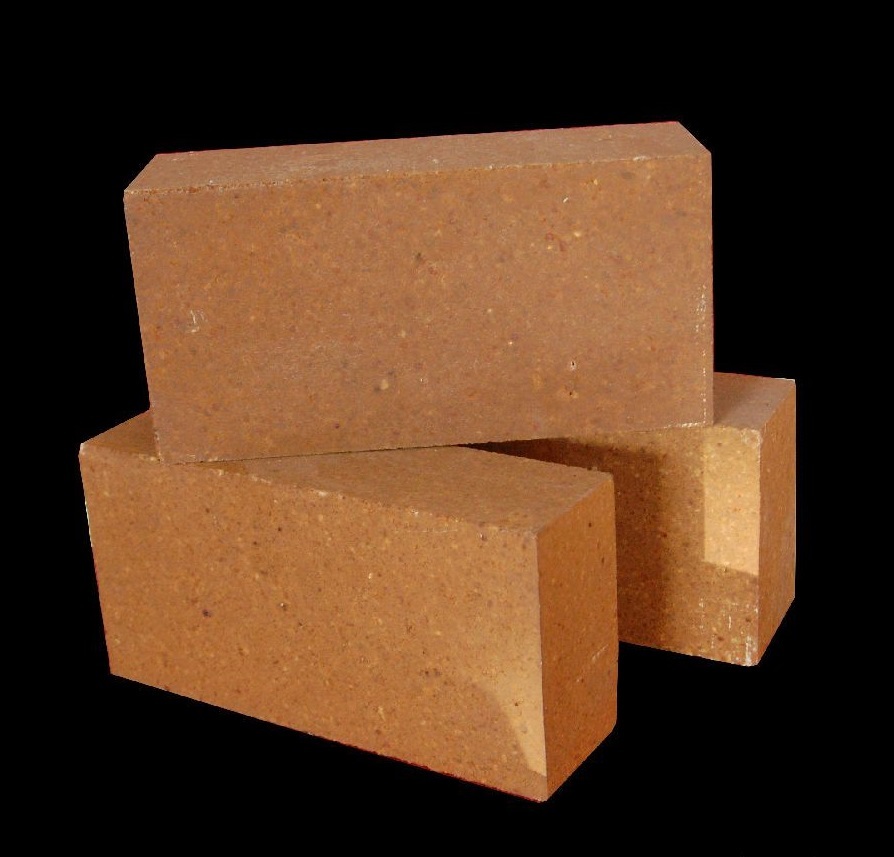
- Rectangular, customized
- Porosity
- 15-18%
- Dimensional Stability
- Excellent at high temperature
- Strength
- Cold Crushing Strength (CCS): 30-60 MPa
- Specific Gravity
- 2.8-3.0
- Thermal Conductivity
- 3.04.5 W/mK at 1000C
- Color
- Light brown to yellow
- Typical Life Cycle
- Long service life in aggressive environments
- Packaging
- Wooden pallets with shrink-wrapped
- Size
- Standard and as per customer requirement
- Bulk Density
- 2.853.05 g/cm
- Slag Resistance
- Excellent against basic slags
- Refractoriness Under Load (RUL)
- Above 1550C at 0.2 MPa
- Thermal Shock Resistance
- Good
- Apparent Porosity
- 18%
- Manufacturing Process
- High-temperature sintering
- ISO Certification
- ISO 9001:2015
Magnesite Bricks Trade Information
- Minimum Order Quantity
- 500 Pieces
- FOB Port
- Mundra
- Payment Terms
- Telegraphic Transfer (T/T), Western Union, Letter of Credit (L/C), Delivery Point (DP), Days after Acceptance (DA)
- Supply Ability
- 5000 Pieces Per Month
- Delivery Time
- 7-12 Days
- Sample Available
- Yes
- Sample Policy
- Free samples are available
- Main Export Market(s)
- Western Europe, Australia, North America, South America, Eastern Europe, Middle East, Central America, Asia, Africa
Magnesite Bricks About
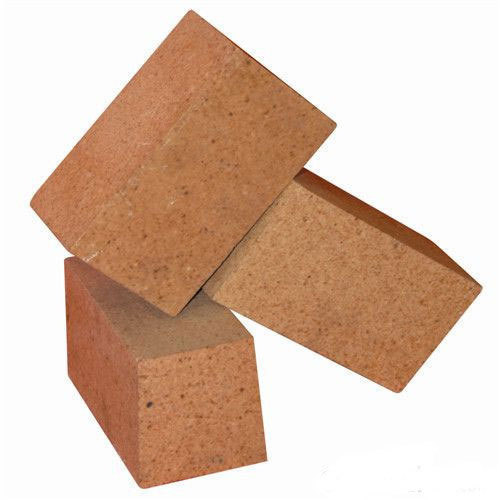
Magnesite Bricks also called magnesia bricks, magnesium bricks, magnesite refractory bricks and magnesite fire brick. It is one of the most widely used basic refractory bricks. Magnesite Bricks belong to magnesite refractories and contain magnesium oxide content more than 90%. We are a leading Manufacture, Supplier and Exporter of Best Quality of Magnesite Bricks as per the customer's needs and requirements.
Superior Thermal and Mechanical Properties
Magnesite Bricks are distinguished by their high melting point (approximately 2800C) and good thermal shock resistance. Their chemical composition, predominated by high-purity MgO (85-95%), ensures durability and longevity under intense heat and pressure. These bricks demonstrate stable thermal conductivity (3.0-4.5 W/mK at 1000C) and excellent dimensional stability for demanding furnace applications.
Manufacturing and Quality Assurance
Produced via advanced high-temperature sintering processes, Magnesite Bricks from India maintain consistent quality and strength. ISO 9001:2015 certification affirms rigorous production standards. Finished with a smooth surface and low water absorption (<2%), these bricks meet stringent requirements for industrial refractory applications.
FAQ's of Magnesite Bricks:
Q: How are Magnesite Bricks manufactured for optimal performance in aggressive environments?
A: Magnesite Bricks are produced using a high-temperature sintering process, which enhances their density, strength, and slag resistance. This process ensures the bricks exhibit excellent stability and durability when used for lining furnaces exposed to intense heat and corrosive slag.Q: What makes Magnesite Bricks suitable for furnace lining in steel making and non-ferrous industries?
A: Their high refractoriness under load (RUL above 1550C at 0.2 MPa), bulk density, and excellent resistance to basic slags make Magnesite Bricks ideal for protecting furnace linings in steel-making, non-ferrous metal processing, and glass tank regenerators.Q: When should Magnesite Bricks be used in industrial applications?
A: Magnesite Bricks are best employed in environments requiring high thermal and mechanical stability, such as steel furnaces, kilns, and glass regenerators. Their long service life and resistance to wear and chemical attack ensure reliability in continuous high-temperature operations.Q: Where can customized sizes of Magnesite Bricks be sourced from?
A: Customized and standard sizes of Magnesite Bricks can be obtained from manufacturers, suppliers, and exporters based in India. Brick dimensions are tailored to meet specific customer requirements for various furnace configurations.Q: What benefits do Magnesite Bricks offer over other refractory types?
A: Magnesite Bricks provide superior slag resistance, high melting points (approx. 2800C), and excellent dimensional stability at elevated temperatures. These advantages result in prolonged service life and reduced maintenance for industrial furnace linings.Q: How do Magnesite Bricks contribute to thermal efficiency in furnaces?
A: The bricks' stable thermal conductivity (3.0-4.5 W/mK at 1000C) helps maintain uniform heat distribution within furnaces, enabling energy-efficient operations and consistent product quality during high-temperature processes.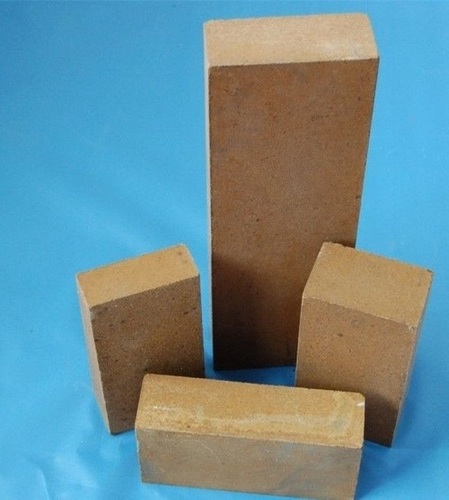

Price:
- 50
- 100
- 200
- 250
- 500
- 1000+

More Products in Bricks Category
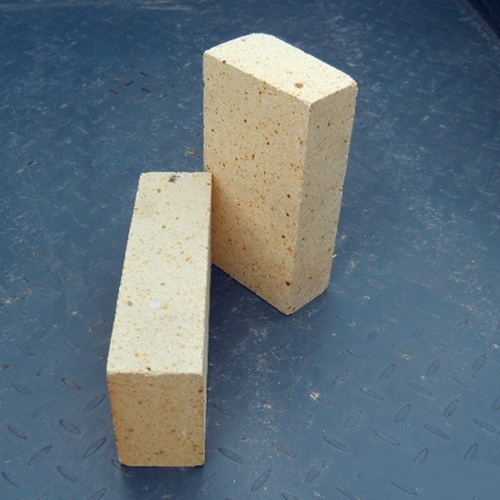
Silica Bricks
Price Range 1.50 - 3.00 USD ($) / Piece
Minimum Order Quantity : 500 Pieces
Surface Finish : Smooth
Purity(%) : SiO2 > 95%
Shape : Other, Rectangular, Arch, Customized
Usage & Applications : Used in thermal processing industries, glass manufacturing, steel plants, coke ovens, and other hightemperature furnaces
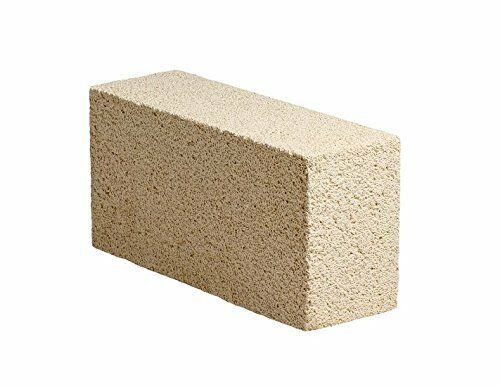
Insulating Fire Bricks
Minimum Order Quantity : 500 Pieces
Surface Finish : Smooth/matt
Purity(%) : Alumina: 3045%
Shape : Other, Rectangular brick
Usage & Applications : Ideal for thermal insulation in industrial furnaces and kilns
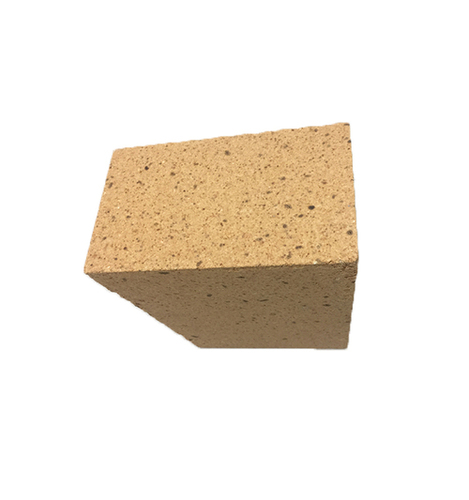
Cupola Bricks
Price Range 0.20 - 0.50 USD ($) / Piece
Minimum Order Quantity : 500 Pieces
Surface Finish : Smooth
Purity(%) : >98%
Shape : Other, Rectangular, Arch, Wedge
Usage & Applications : Cupola Furnace, Iron Foundry, Ferrous & Nonferrous Metallurgy
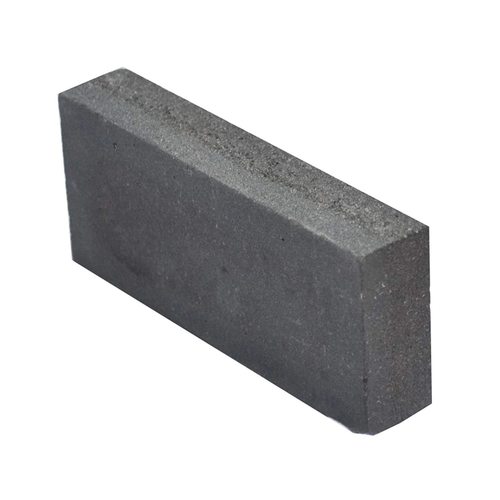
Silicon Carbide Brick
Price Range 2.00 - 10.00 USD ($) / Piece
Minimum Order Quantity : 500 Pieces
Surface Finish : Smooth, uniform
Purity(%) : 98%
Shape : Other, Rectangular, customized
Usage & Applications : Lining of kilns & furnaces, heat exchangers, boilers, power plants



Contact Details
GST : 24BDKPS7263P1ZO

 Send Inquiry
 |
CMS INDUSTRIES
All Rights Reserved.(Terms of Use) Developed and Managed by Infocom Network Private Limited. |
