 English
 Spanish
 French
 German
 Italian
 Chinese (Simplified)
 Japanese
 Korean
 Arabic
 Portuguese



 Send Inquiry
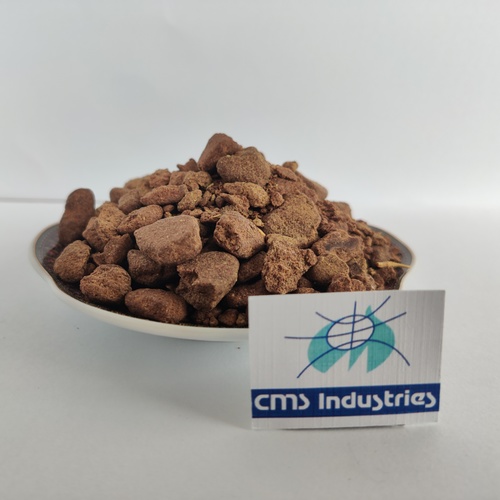
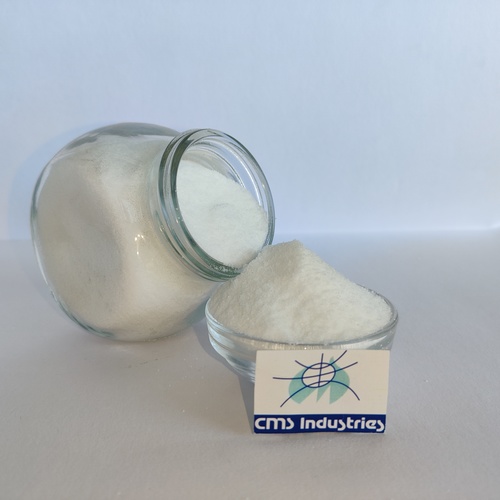
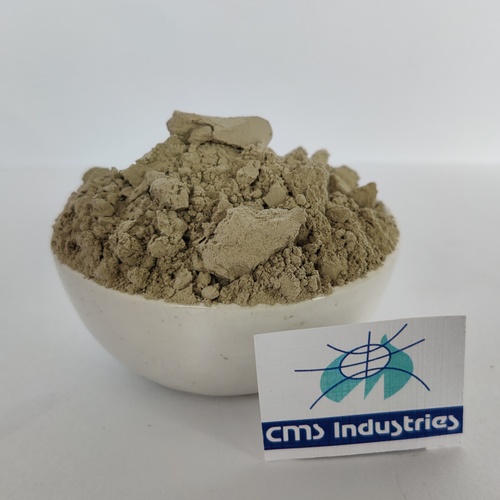
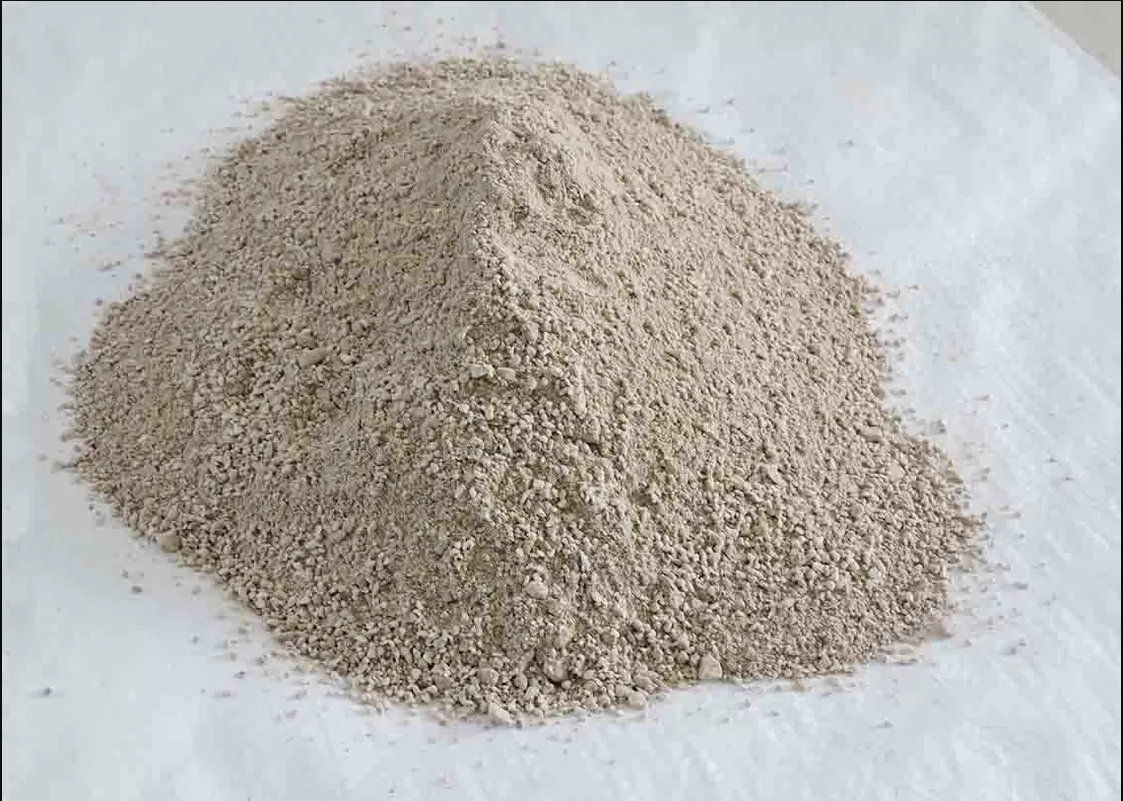
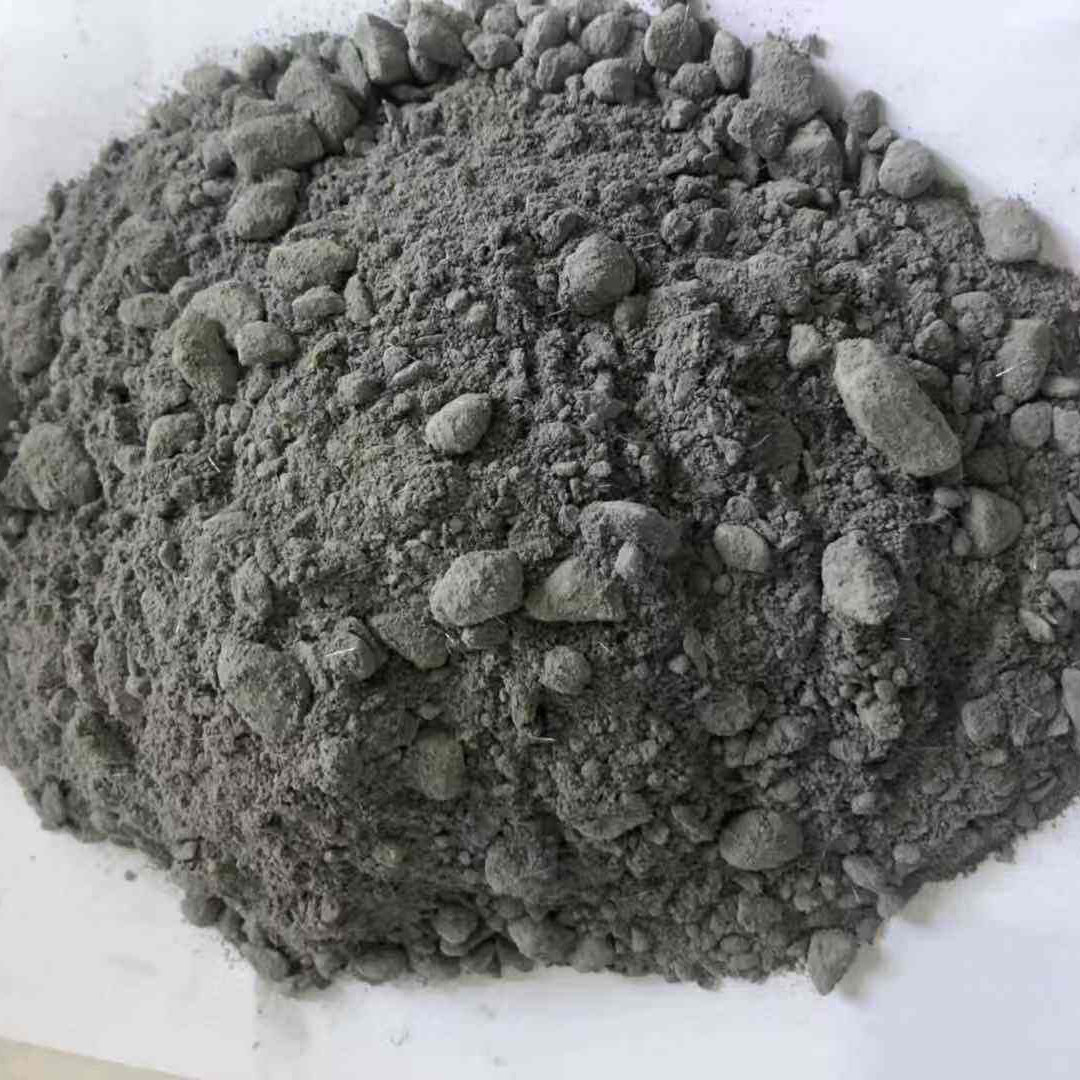
Insulating Castables
Insulating Castables Specification
- Usage & Applications
- Insulation lining for all types of industrial furnaces and kilns
- Application
- Kilns, Furnaces, Boiler Linings, Petrochemical Units
- Surface Finish
- Smooth after casting and setting
- Chemical Composition
- Alumina, Silicate, Calcium Aluminate Binder
- Density
- 1.7 Gram per cubic centimeter(g/cm3)
- Water Absorption
- Highly absorbent, 40% 50%
- Purity(%)
- 98%
- Melting Point
- 1600C to 1800C
- Hardness (%)
- 80 90
- Form
- Powder/Granular
- Product Type
- Refractories
- Types of Refractories
- Insulating Castables
- Shape
- Powder/Granular (Castable)
- Porosity
- 40% 55%
- Dimensional Stability
- High, retains dimensions up to service temperature
- Strength
- 10 20 MPa (Cold Crushing Strength)
- Specific Gravity
- 1.5 2.2
- Thermal Conductivity
- 0.25 0.48 W/mK @ 1000C
- Color
- Light Grey
- Shrinkage
- <1.2% (after firing)
- Refractoriness Under Load (RUL)
- >1400C
- Thermal Shock Resistance
- Excellent, withstands rapid temperature fluctuations
- Bulk Density
- 1.2 1.8 g/cm
- Compressive Strength at 110C
- 15 MPa 20 MPa
- Shelf Life
- 6 12 months in dry conditions
- Grain Size
- 0 5 mm
- Installation
- Vibration Casting / Pouring
- Bonding Type
- Hydraulic
- Maximum Service Temperature
- Up to 1550C
- Packaging Type
- HDPE Bags
- Setting Time
- 4 6 hours (initial), 24 hours (final)
Insulating Castables Trade Information
- Minimum Order Quantity
- 20 MT Metric Tons
- FOB Port
- Mundra
- Payment Terms
- Telegraphic Transfer (T/T), Letter of Credit (L/C), Western Union, Delivery Point (DP), Days after Acceptance (DA)
- Supply Ability
- 500 Metric Tons Per Month
- Delivery Time
- 12 Days
- Sample Available
- Yes
- Sample Policy
- Free samples are available
- Main Export Market(s)
- Western Europe, Australia, North America, Eastern Europe, Middle East, Central America, South America, Asia, Africa
Insulating Castables About
Insulating Castables
Superior Performance for Industrial Insulation
Insulating Castables excel in providing lightweight lining solutions with high thermal resistance and low thermal conductivity (0.25-0.48 W/mK at 1000C). Their excellent tolerance to rapid temperature fluctuations makes them highly suitable for extreme thermal environments commonly found in industrial furnaces and kilns.
Installation Made Easy
These castables can be efficiently installed through vibration casting or simple pouring, adapting to various shapes and dimensions. The initial set occurs within 4-6 hours, ensuring quick turnaround, while the smooth finish after setting improves both aesthetics and performance in operational environments.
FAQ's of Insulating Castables:
Q: How should insulating castables be applied during installation?
A: Insulating castables are generally installed by either vibration casting or pouring, allowing precise shaping for kiln, furnace, or boiler linings. Ensure surfaces are clean and dry before application to achieve a smooth, durable finish.Q: What types of industrial environments benefit most from these castables?
A: These castables are ideal for kilns, furnaces, boiler linings, and petrochemical units, thanks to their high refractoriness, excellent thermal shock resistance, and ability to withstand service temperatures up to 1550C.Q: When does the product reach its full strength after setting?
A: The initial setting time is typically 4-6 hours, while full strength and final set are achieved after 24 hours. After firing, the castable shows minimal shrinkage and high dimensional stability.Q: Where is the product sourced and supplied from?
A: These insulating castables are manufactured, supplied, and exported from India, ensuring global availability to meet the needs of industrial projects worldwide.Q: What is the process for storing insulating castables to maintain shelf life?
A: Store the castables in HDPE bags under dry conditions to prevent moisture uptake, ensuring shelf life ranges from 6 to 12 months and maintains original performance properties.Q: How does the castable's composition contribute to its performance?
A: Formulated with high-purity alumina, silicate, and calcium aluminate binder, the castable offers excellent mechanical strength, thermal insulation, and smooth casting properties-crucial for stable, reliable furnace and kiln linings.Q: What are the benefits of using this castable for insulation lining?
A: Users benefit from high thermal shock resistance, low shrinkage after firing, superior dimensional stability, and efficient heat retention, resulting in increased operational safety and longevity of industrial furnaces.

Price:
- 50
- 100
- 200
- 250
- 500
- 1000+

More Products in insulating and Castables Products Category
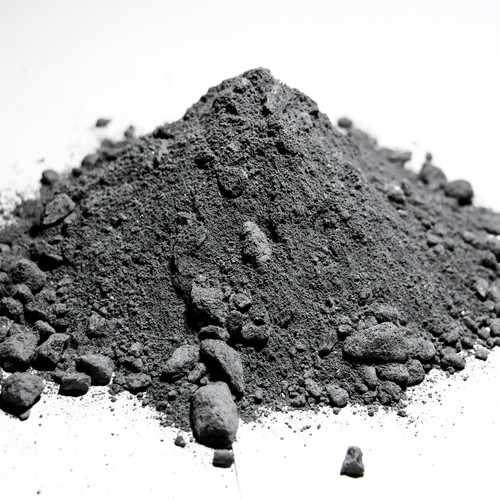
Ultra Low Cement Castables
Price 100.00 USD ($) / Metric Ton
Price Range 100.00 - 800.00 USD ($) / Metric Ton
Minimum Order Quantity : 20 Metric Tons
Usage & Applications : Mainly used in steel, cement, glass, and power industries
Surface Finish : Smooth, after setting
Specific Gravity : 2.7 3.0
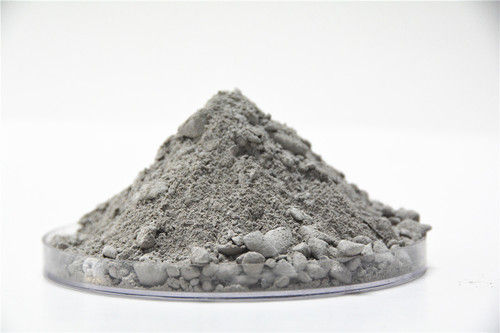
Low Cement Castables
Price 100.00 USD ($) / Metric Ton
Price Range 100.00 - 800.00 USD ($) / Metric Ton
Minimum Order Quantity : 20 MT Metric Tons
Usage & Applications : Used for lining high temperature furnaces, kilns, incinerators, reactors and boilers
Surface Finish : Smooth
Specific Gravity : 2.62.8
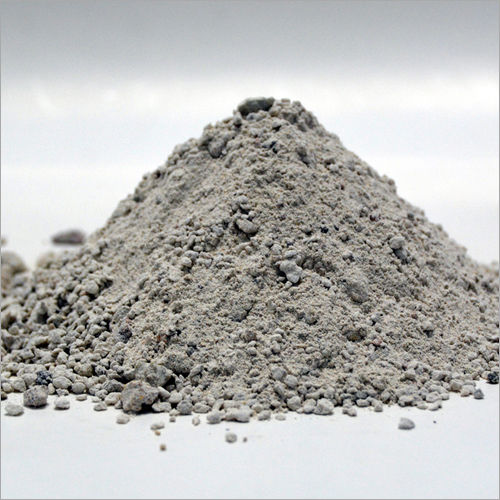
Conventional Castable Powder
Price 100.00 USD ($) / Metric Ton
Minimum Order Quantity : 25 MT Metric Tons
Usage & Applications : Used for patching, lining and repairing furnaces and other high temperature equipment
Surface Finish : Smooth
Specific Gravity : 2.3 2.6 g/cm
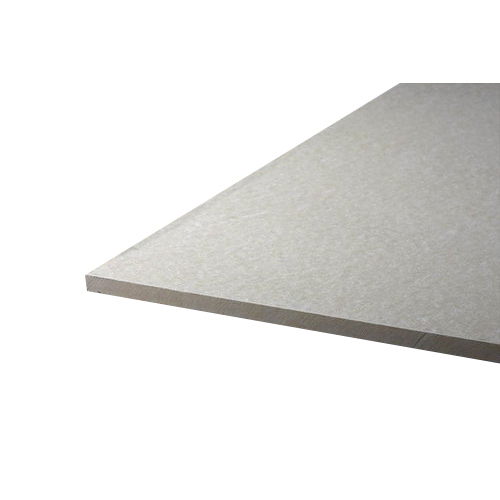
Calcium Silicate Boards
Price Range 3.00 - 7.00 USD ($) / Piece
Minimum Order Quantity : 500 Pieces
Usage & Applications : Thermal insulation, fire protection, construction, marine, petrochemical industries
Surface Finish : Smooth
Specific Gravity : 0.85 1.0



Contact Details
GST : 24BDKPS7263P1ZO

 Send Inquiry
 |
CMS INDUSTRIES
All Rights Reserved.(Terms of Use) Developed and Managed by Infocom Network Private Limited. |
