 English
 Spanish
 French
 German
 Italian
 Chinese (Simplified)
 Japanese
 Korean
 Arabic
 Portuguese



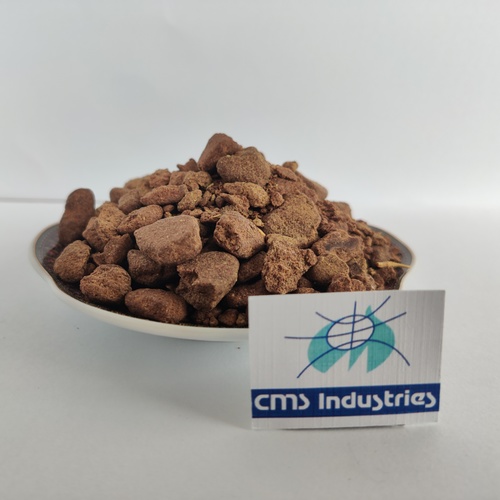
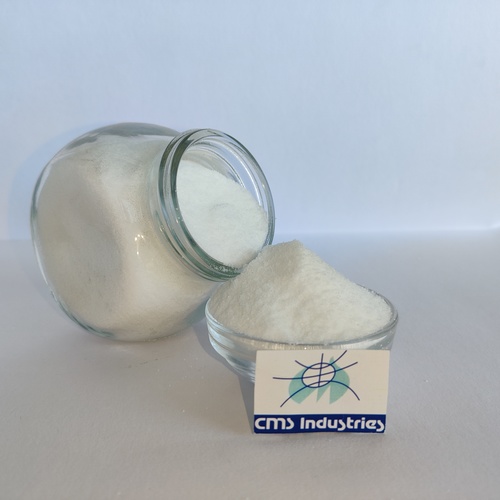
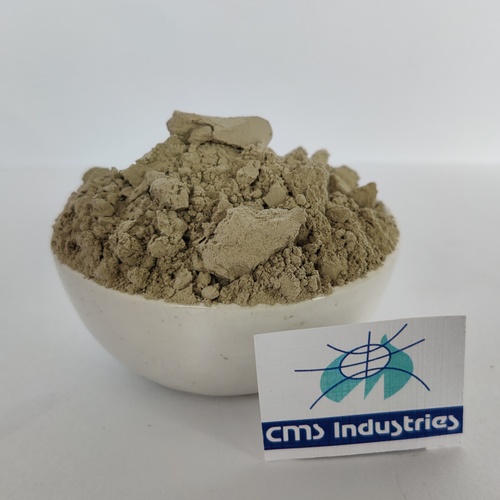

 Send Inquiry
Basic Monolithics
Basic Monolithics Specification
- Surface Finish
- Rough to Fine
- Water Absorption
- < 10%
- Hardness (%)
- Up to 98%
- Purity(%)
- 98%
- Usage & Applications
- Used for lining furnaces, kilns, incinerators and reactors.
- Melting Point
- 1800°C to 2000°C
- Form
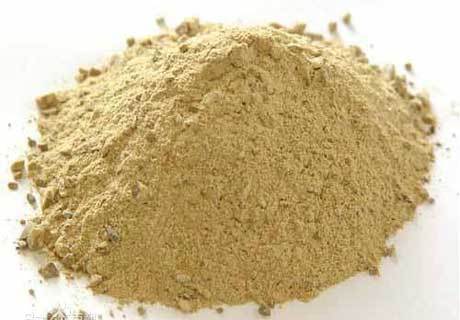
- Powder, Castable, Ramming Mix
- Density
- 3.1 Gram per cubic centimeter(g/cm3)
- Application
- Steel Industry, Cement Industry, Furnace Lining, Metallurgical Processes
- Chemical Composition
- Magnesia, Chrome, Other Oxides
- Product Type
- Refractories
- Types of Refractories
- Basic Refractory
- Shape
- Monolithic
- Porosity
- Low
- Dimensional Stability
- Excellent under High Temperatures
- Strength
- High Mechanical Strength
- Specific Gravity
- 2.85 - 3.15
- Thermal Conductivity
- Low to Medium
- Color
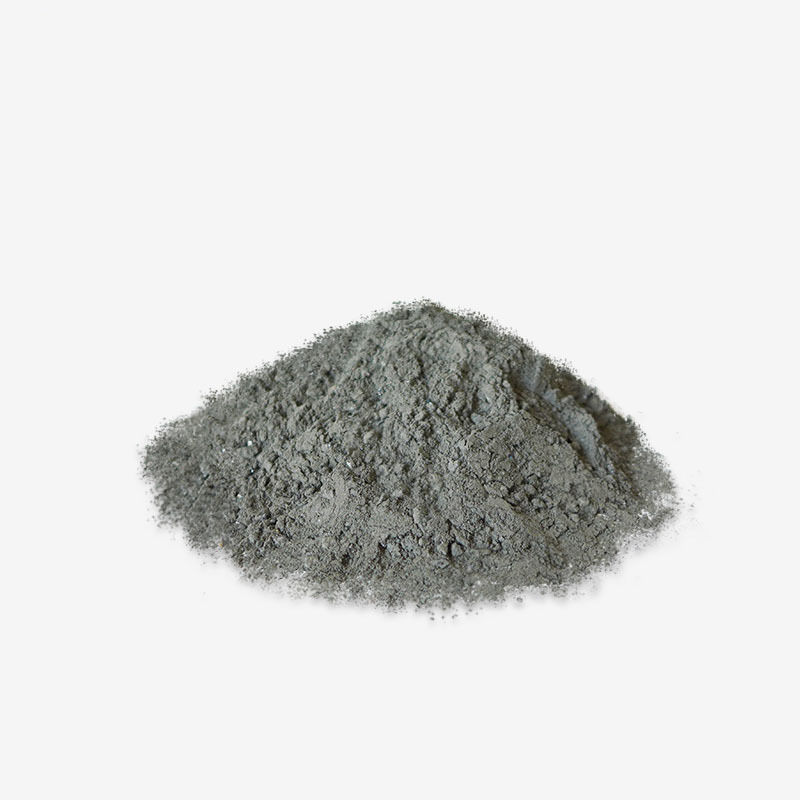
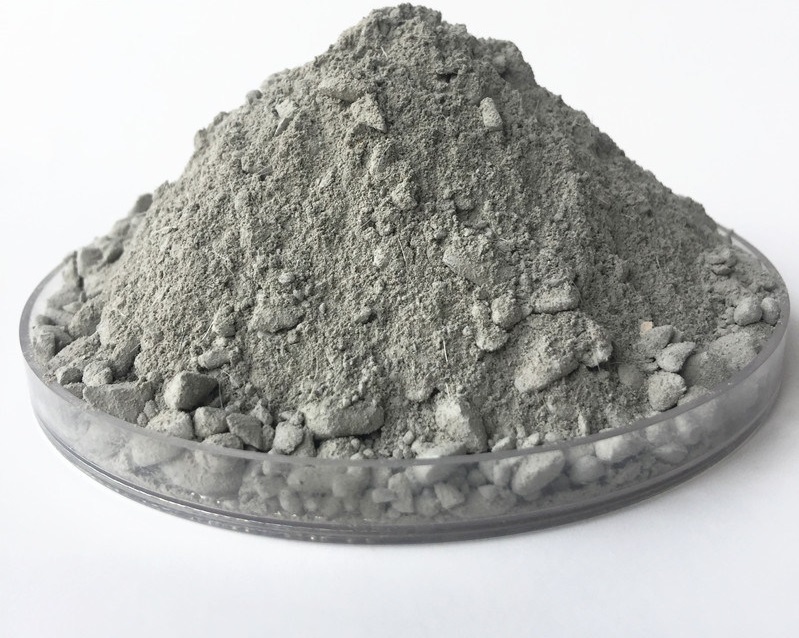
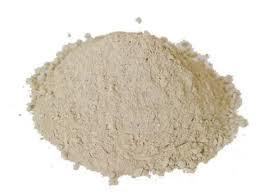
- Gray
- Resistance to Slag Attack
- Excellent
- Bulk Density
- 3.05 g/cm³
- Shelf Life
- 12 Months
- Expansion on Heating
- Minimal
- Cold Crushing Strength
- 70 MPa
- Packaging Type
- HDPE Bags / Jumbo Bags
- Grain Size
- Up to 5 mm
- Temperature Resistance
- Up to 2000°C
Basic Monolithics Trade Information
- Minimum Order Quantity
- 20 MT Metric Tons
- FOB Port
- Mundra
- Payment Terms
- Letter of Credit (L/C), Telegraphic Transfer (T/T), Western Union, Delivery Point (DP), Days after Acceptance (DA)
- Supply Ability
- 300 Metric Tons Per Month
- Delivery Time
- 12 Days
- Sample Available
- Yes
- Sample Policy
- Free samples are available
- Main Export Market(s)
- Australia, North America, Eastern Europe, Western Europe, Middle East, Africa, Central America, South America, Asia
Basic Monolithics About
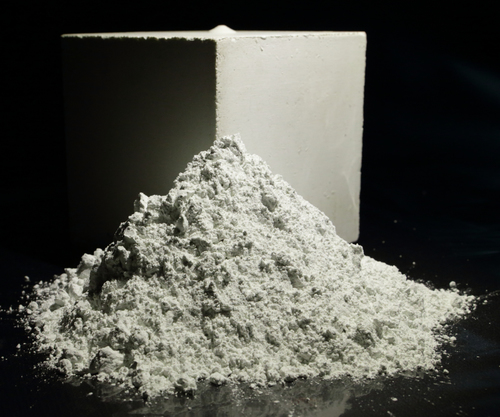
BasicMonolithic refractory is the name normally given to all unshaped refractoryproducts the word monolithic coming from the word monolith meaning bigstone They have many industrial applications across the nonferrous metallurgicalsteel cement petrochemical and waste disposal industries They are availablein many different forms and formulations
Thekey properties of Basic Monolithic are their individual chemical inertnessthermal shock resistance at high temperatures abrasion resistance andmechanical integrity It represents a wide range of mineral compositions andvary greatly in their physical and chemical properties They are special mixesor blends of dry granular or cohesive plastic materials used to form virtuallyjoint free linings They are unshaped refractory products which are installedas some form of suspension that ultimately harden to form a solid mass
Outstanding Resistance to Slag Attack
These monolithic refractories incorporate magnesia and chrome oxides, enabling them to withstand aggressive slag environments. Their unique composition minimizes degradation and ensures extended durability, making them ideal for furnace linings and metallurgical processes where slag attack poses significant challenges.
High Temperature and Mechanical Performance
Engineered to endure temperatures up to 2000C and possessing cold crushing strength of 70 MPa, these materials retain structural stability and strength even in the hottest operational settings. Their minimal expansion guarantees reliable, consistent performance during repeated heating cycles.
Versatile Forms and Reliable Packaging
Supplied as powder, castable, or ramming mix, Basic Monolithics adapt to various industrial processes. Packaged in robust HDPE or jumbo bags, they maintain quality during storage and transport, with a shelf life of 12 months for efficient inventory management.
FAQ's of Basic Monolithics:
Q: How are Basic Monolithics with resistance to slag attack typically applied in industrial settings?
A: These monolithics are mainly used for lining furnaces, kilns, incinerators, and reactors in steel, cement, and metallurgical industries. Their form flexibility allows for installation as powder, castable, or ramming mix, depending on specific operational requirements.Q: What benefits do these monolithic refractories offer over conventional materials?
A: Basic Monolithics exhibit excellent resistance to slag and high mechanical strength, with low porosity and minimal thermal expansion. These characteristics ensure superior durability, reduced maintenance cycles, and a long service life in corrosive and high-temperature environments.Q: When should I use Basic Monolithics for furnace linings?
A: These monolithic refractories are recommended when operating temperatures exceed 1800C and the environment is prone to slag attack or thermal stress. Their robustness makes them ideal during frequent heating or exposure to aggressive chemical agents.Q: Where are these monolithic refractories manufactured and supplied from?
A: These products are manufactured, exported, and supplied from India, adhering to international quality standards for global industrial applications.Q: What is the process for installing these refractories?
A: Installation varies by form: powders are compacted, castables are mixed and poured, and ramming mixes are tamped into place. All processes ensure tight, durable linings with minimal gaps, guaranteeing optimal protection against slag and heat.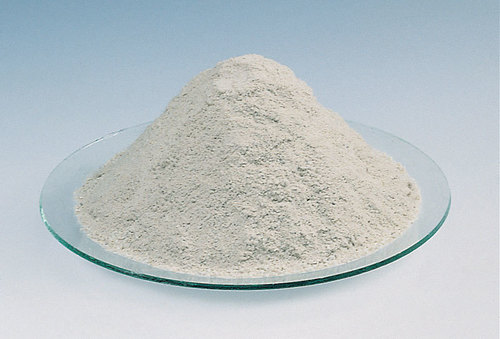

Price:
- 50
- 100
- 200
- 250
- 500
- 1000+

More Products in Basic Refractories Category
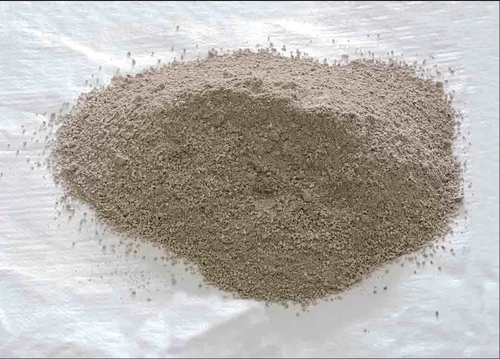
Refractory Cement
Price Range 100.00 - 300.00 USD ($) / Metric Ton
Minimum Order Quantity : 20 MT Metric Tons
Types of Refractories : Other, Castable Refractory Cement
Shape : Other, Powder / Granules
Application : High temperature furnace lining, kilns, incinerators, fireplaces, boilers
Chemical Composition : Alumina, Silica, Calcium Oxide
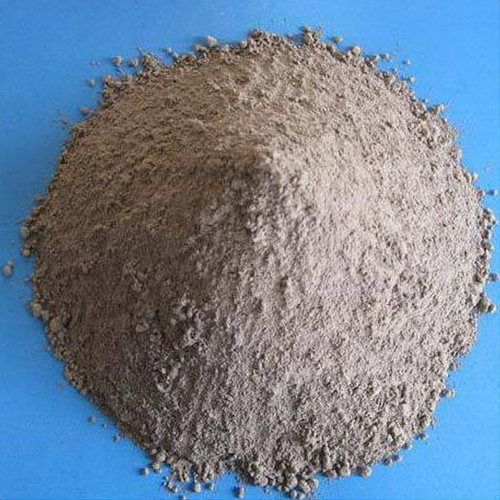
Refractory Concrete
Price Range 100.00 - 800.00 USD ($) / Metric Ton
Minimum Order Quantity : 20 MT Metric Tons
Types of Refractories : Other, Castable Refractory Concrete
Shape : Other, Powder or Cast Shapes
Application : Industrial, Foundries, Furnaces, Kilns Lining & Repair
Chemical Composition : Al2O3, SiO2, CaO

Silicon Carbide Refractories
Price Range 200.00 - 300.00 USD ($) / Metric Ton
Minimum Order Quantity : 20 MT Metric Tons
Types of Refractories : Other, Silicon Carbide (SiC)
Shape : Other, Brick, Block, Customized Shapes
Application : Used in furnaces, kilns, incinerators, and reactors; ideal for nonferrous metal industries, ceramic, glass, cement, and petrochemical sectors.
Chemical Composition : SiC >90%, Fe2O3 <1%, Free SiO2 <1.5%
Silicate Cement
Price Range 1350.00 - 1450.00 USD ($) / Metric Ton
Minimum Order Quantity : 20 MT Metric Tons
Types of Refractories : Other, Silicate Cement
Shape : Other, Powder/ Paste
Application : Furnaces, Kilns, Foundries, Boiler construction
Chemical Composition : Sodium Silicate, Aluminium Silicate




Contact Details
GST : 24BDKPS7263P1ZO

 Send Inquiry
 |
CMS INDUSTRIES
All Rights Reserved.(Terms of Use) Developed and Managed by Infocom Network Private Limited. |
