 English
 Spanish
 French
 German
 Italian
 Chinese (Simplified)
 Japanese
 Korean
 Arabic
 Portuguese




 Send Inquiry
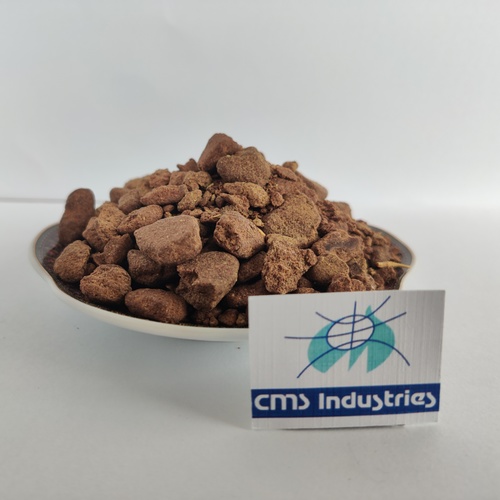
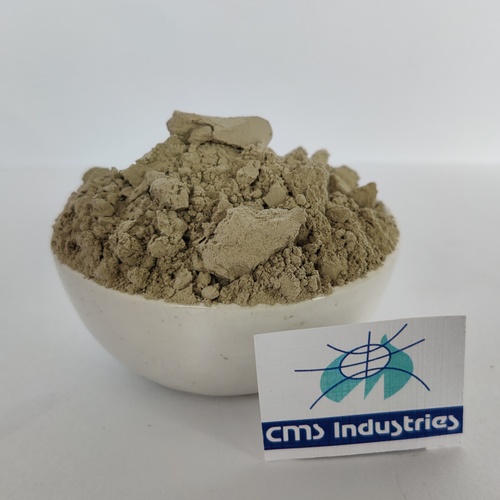
Low Cement Castables
Low Cement Castables Specification
- Purity(%)
- >90%
- Usage & Applications
- Used for lining high temperature furnaces, kilns, incinerators, reactors and boilers
- Surface Finish
- Smooth
- Melting Point
- Above 1700C
- Chemical Composition
- Al2O3, SiO2, CaO, with low cement content
- Hardness (%)
- Above 98%
- Form
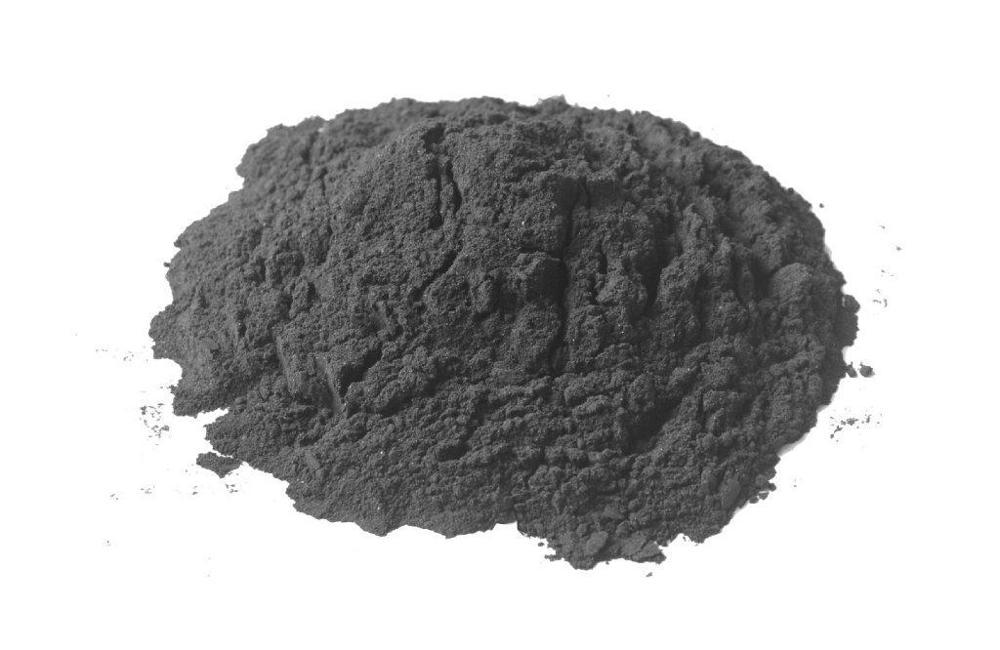
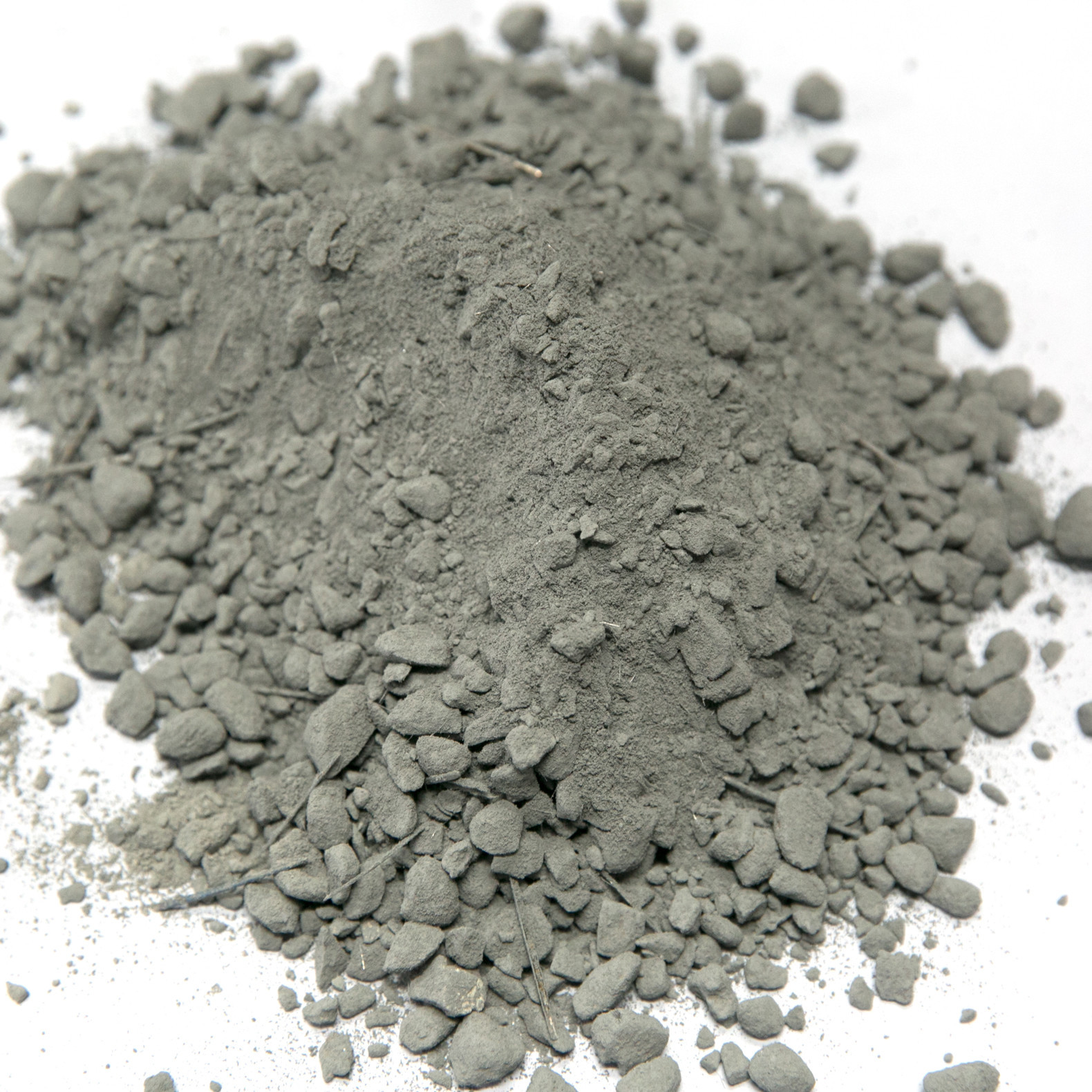
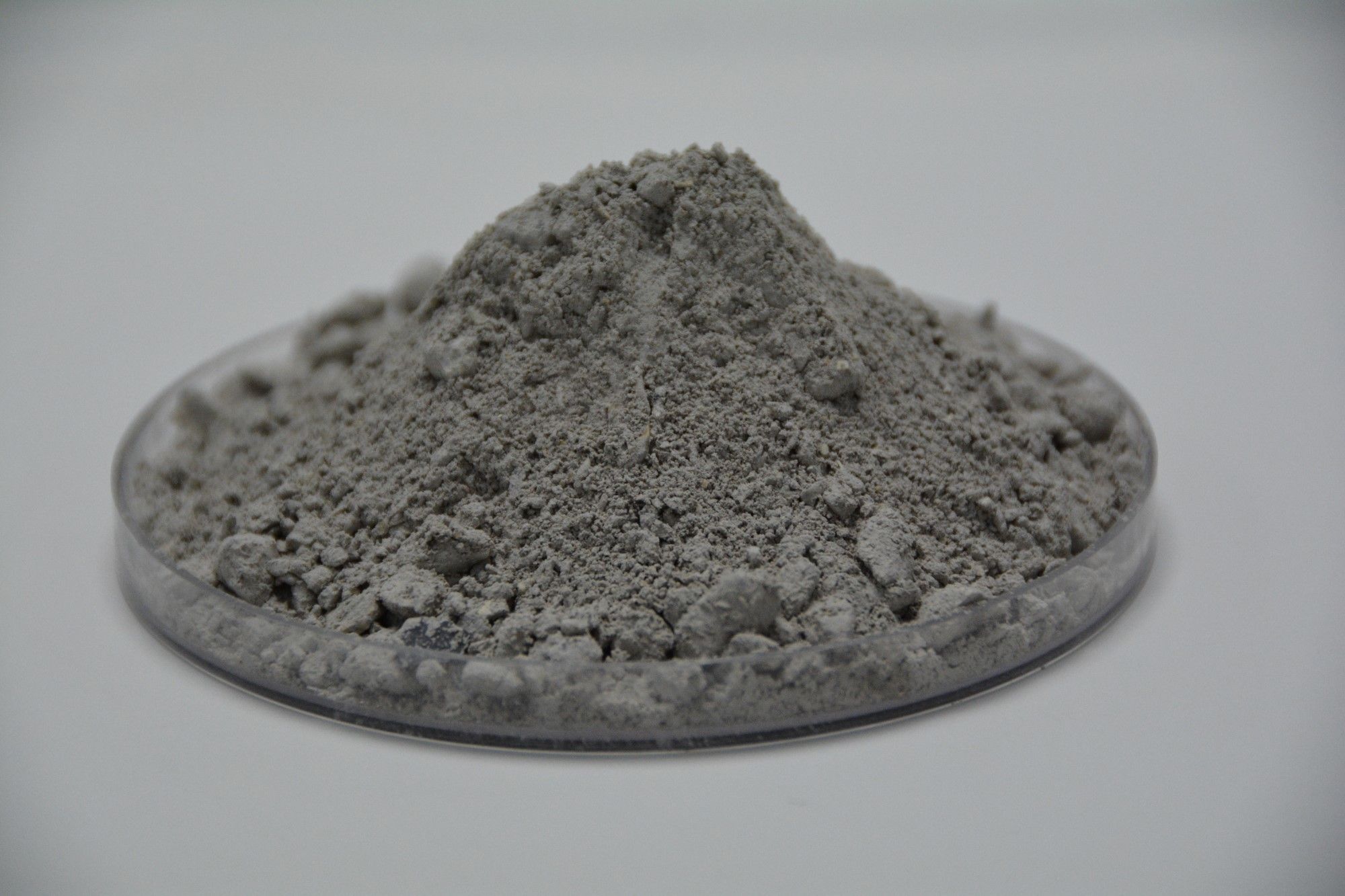
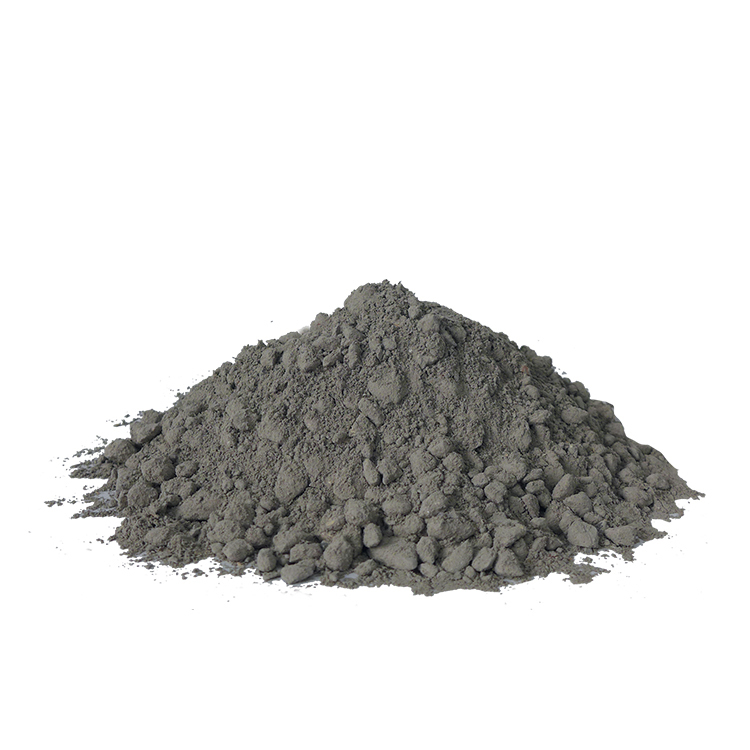
- Solid powder
- Water Absorption
- Less than 1%
- Application
- Industrial furnaces, kiln linings, incinerators, boiler linings, foundry and petrochemical industries
- Density
- 2.7 Gram per cubic centimeter(g/cm3)
- Product Type
- Refractories
- Types of Refractories
- Monolithic
- Shape
- Powder/Granular
- Porosity
- Low, 1015%
- Dimensional Stability
- Excellent at high temperatures
- Strength
- High cold crushing strength (60100 MPa at 110C)
- Specific Gravity
- 2.62.8
- Thermal Conductivity
- Low, typically 1.31.6 W/mK at 1000C
- Color
- Grey
- Thermal Shock Resistance
- Excellent
- Installation Method
- Casting and vibration
- Compressive Strength at 1500C
- 100 MPa
- Service Temperature
- Up to 1700C
- Grain Size
- Max 5 mm
- Packaging
- Packed in moisture-protected HDPE bags, 25/50 kg
- Mixing Ratio (Water)
- 57%
- Shelf Life
- 12 months, unopened
- Shrinkage
- Less than 0.5% at 1400C
- Setting Time
- 46 hours at ambient temperature
Low Cement Castables Trade Information
- Minimum Order Quantity
- 20 MT Metric Tons
- FOB Port
- Mundra
- Payment Terms
- Letter of Credit (L/C), Western Union, Telegraphic Transfer (T/T), Delivery Point (DP), Days after Acceptance (DA)
- Supply Ability
- 500 Metric Tons Per Month
- Delivery Time
- 12 Days
- Sample Available
- Yes
- Sample Policy
- Free samples are available
- Main Export Market(s)
- Australia, North America, Eastern Europe, Middle East, Central America, South America, Western Europe, Asia, Africa
Low Cement Castables About
Low Cement Castables
Exceptional Strength and Thermal Performance
Designed for high-temperature environments, these low cement castables provide compressive strength of up to 100 MPa at 1500C. Their robust mineral composition and optimized grain structure contribute to superior cold crushing strength (60-100 MPa at 110C) and minimal shrinkage (<0.5% at 1400C), making them ideal for installations demanding durability and resilience.
Versatile Application Methods
Installation is simple using casting and vibration techniques, allowing precise placement and densification in various configurations. With a controlled setting time of 4-6 hours at ambient temperature, these castables offer efficiency and flexibility for industrial projects, minimizing downtime during repairs or construction.
Long-lasting Protection and Efficiency
Packed in HDPE bags to prevent moisture ingress, these refractory materials retain their performance for up to 12 months when unopened. Their low thermal conductivity (1.3-1.6 W/mK at 1000C), low water absorption (<1%), and high purity (>90%) ensure sustained protection against thermal and mechanical stress, enhancing equipment longevity and operational safety.
FAQ's of Low Cement Castables:
Q: How should Low Cement Castables be installed in industrial applications?
A: Installation is typically carried out using casting and vibration methods. These techniques allow for even distribution and compaction, ensuring optimal density and reducing porosity. Always follow proper mixing ratios (5-7% water) for best results.Q: What benefits do Low Cement Castables offer in high-temperature environments?
A: Low Cement Castables deliver excellent thermal shock resistance, high cold crushing strength, low shrinkage, and low thermal conductivity, making them dependable for demanding thermal processes in furnaces, kilns, and reactors.Q: When can loaded equipment be put back into service after castable installation?
A: The castables set within 4-6 hours at ambient temperature. However, it's advisable to allow for drying and curing according to manufacturer guidelines before exposing to full thermal load to achieve maximum performance.Q: Where are Low Cement Castables commonly used?
A: They are extensively utilized for lining industrial furnaces, kiln linings, incinerators, boilers, as well as in foundry and petrochemical industries due to their durability and ability to withstand high temperatures.Q: What is the process for mixing and applying Low Cement Castable material?
A: Mix the castable powder or granular material with 5-7% water, ensuring uniform consistency. Apply the mixture by casting and use vibration to remove trapped air and achieve a smooth, dense lining. Packaging in moisture-protected HDPE bags preserves its quality until use.Q: What are the advantages of using low cement formulations in castables?
A: Lower cement content enhances thermal shock resistance, reduces porosity (10-15%), and improves both strength and dimensional stability at high temperatures. This leads to extended lifespan and reliability in critical industrial linings.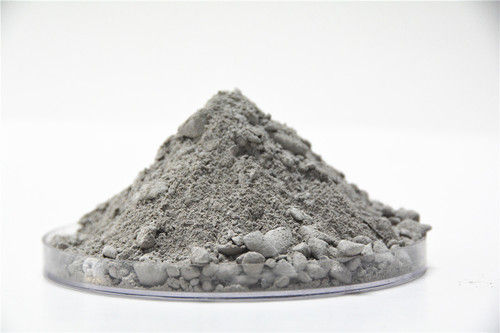

Price:
- 50
- 100
- 200
- 250
- 500
- 1000+

More Products in insulating and Castables Products Category
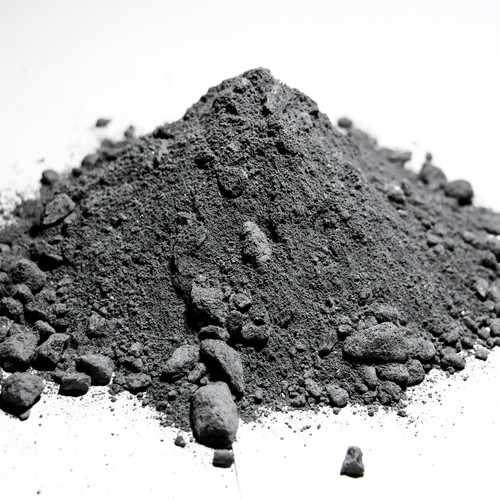
Ultra Low Cement Castables
Price Range 100.00 - 800.00 USD ($) / Metric Ton
Price 100.00 USD ($) / Metric Ton
Minimum Order Quantity : 20 Metric Tons
Surface Finish : Smooth, after setting
Purity(%) : Up to 99%
Usage & Applications : Mainly used in steel, cement, glass, and power industries
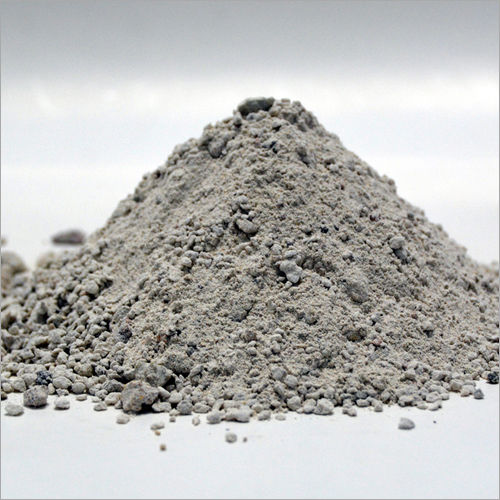
Conventional Castable Powder
Price 100.00 USD ($) / Metric Ton
Minimum Order Quantity : 25 MT Metric Tons
Surface Finish : Smooth
Purity(%) : Minimum 90%
Usage & Applications : Used for patching, lining and repairing furnaces and other high temperature equipment
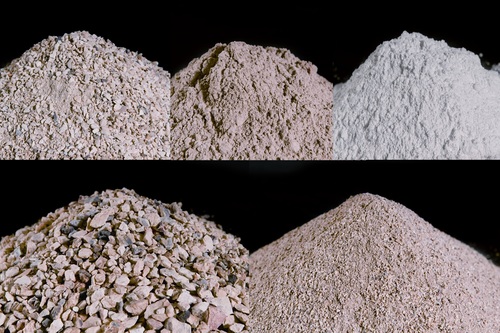
Insulating Castables
Price Range 250.00 - 350.00 USD ($) / Metric Ton
Minimum Order Quantity : 20 MT Metric Tons
Surface Finish : Smooth after casting and setting
Purity(%) : 98%
Usage & Applications : Insulation lining for all types of industrial furnaces and kilns
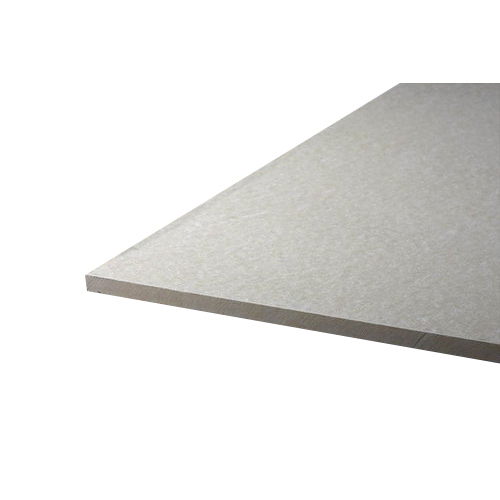
Calcium Silicate Boards
Price Range 3.00 - 7.00 USD ($) / Piece
Minimum Order Quantity : 500 Pieces
Surface Finish : Smooth
Purity(%) : Above 90%
Usage & Applications : Thermal insulation, fire protection, construction, marine, petrochemical industries




Contact Details
GST : 24BDKPS7263P1ZO

 Send Inquiry
 |
CMS INDUSTRIES
All Rights Reserved.(Terms of Use) Developed and Managed by Infocom Network Private Limited. |
