 English
 Spanish
 French
 German
 Italian
 Chinese (Simplified)
 Japanese
 Korean
 Arabic
 Portuguese



 Send Inquiry
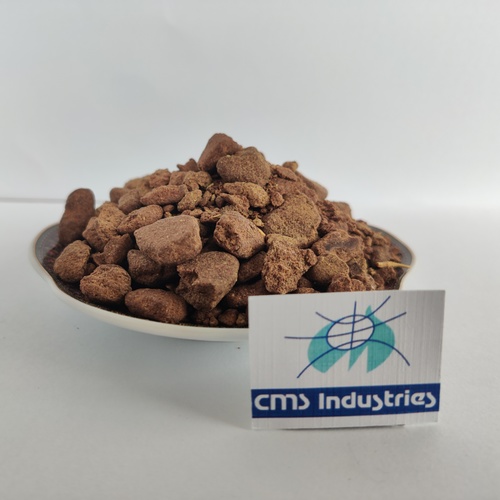
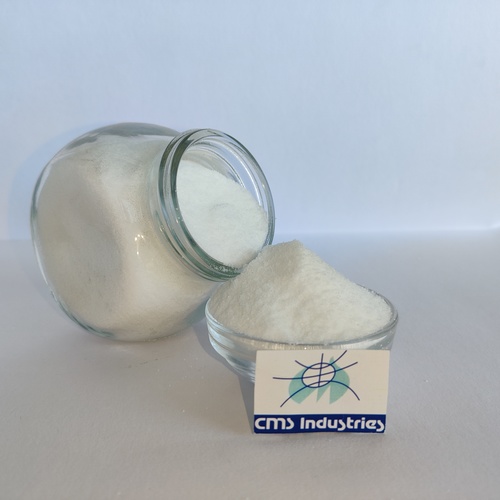
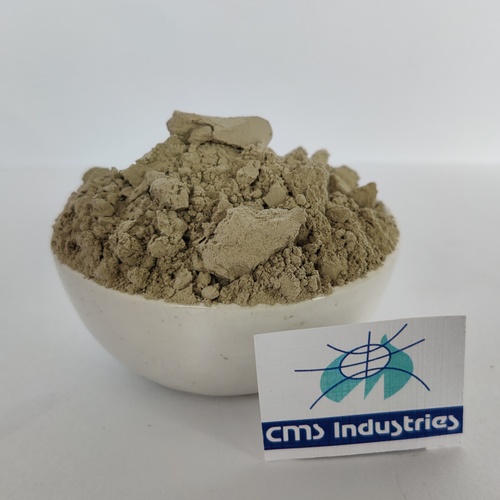
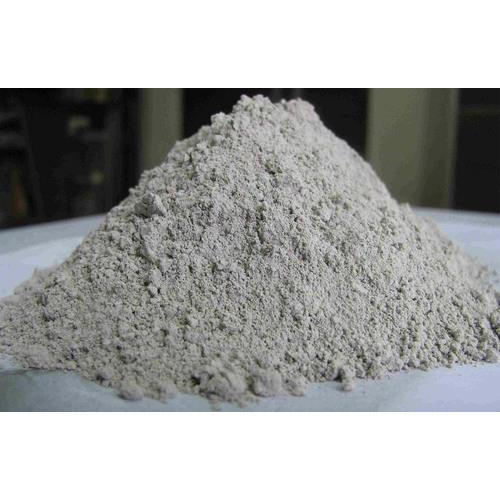
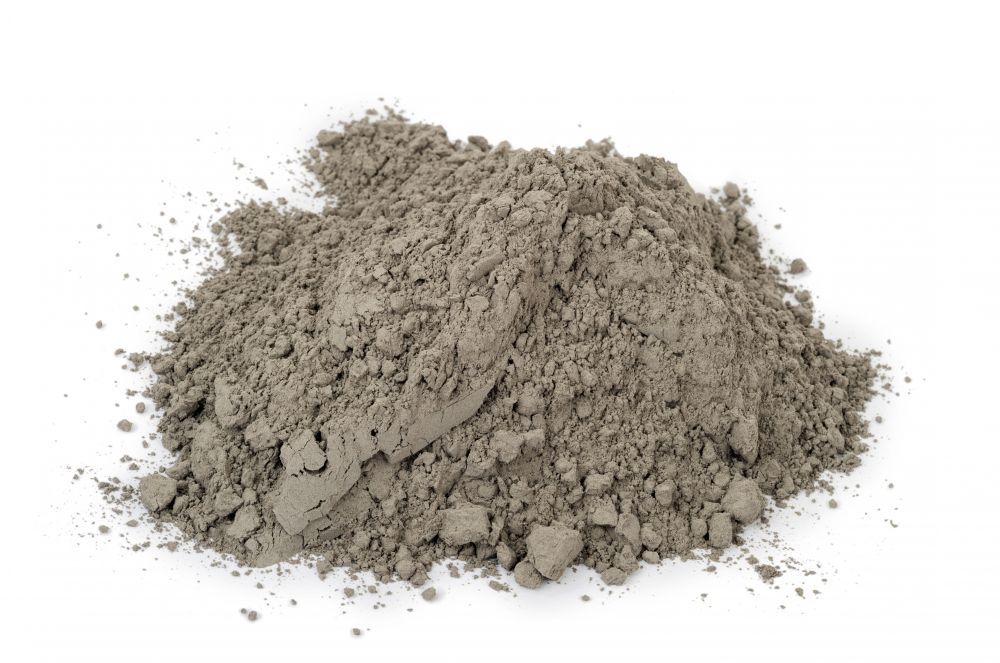
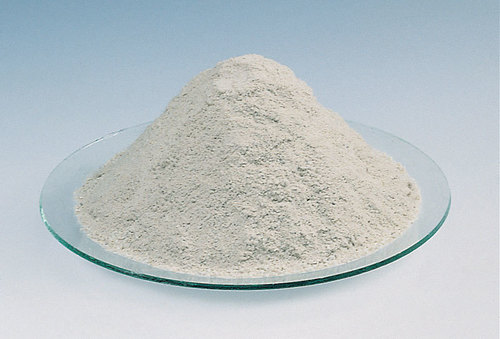
Refractory Cement
Refractory Cement Specification
- Application
- High temperature furnace lining, kilns, incinerators, fireplaces, boilers
- Density
- 2400 Gram per cubic centimeter(g/cm3)
- Water Absorption
- < 6%
- Usage & Applications
- Industrial furnaces, reactor linings, steel and cement plants
- Hardness (%)
- High
- Surface Finish
- Smooth after setting
- Form
- Powder
- Purity(%)
- 98%
- Melting Point
- Above 1400C
- Chemical Composition
- Alumina, Silica, Calcium Oxide
- Product Type
- Refractories
- Types of Refractories
- Castable Refractory Cement
- Shape
- Powder / Granules
- Porosity
- Low
- Dimensional Stability
- Excellent under thermal cycling
- Strength
- High compressive strength ( 50 MPa)
- Specific Gravity
- 2.6 - 2.8 g/cm
- Thermal Conductivity
- Low, approx. 1.2 W/mK
- Color
- Gray
- Abrasion Resistance
- Excellent
- Maximum Service Temperature
- Up to 1600C
- Shelf Life
- 12 Months
- Setting Time
- Initial Set: 3-4 hours
- ISO Certification
- ISO 9001:2015 Certified
- Bonding Type
- Hydraulic
- Expansion on Heating
- Negligible
- Compatibility
- Suitable for contact with molten metal and slag
- Storage Conditions
- Store in cool, dry place
- Particle Size
- Fine (< 1 mm)
- Packaging Type
- Bag (25/50 Kg)
- PH Value
- 11-13
Refractory Cement Trade Information
- Minimum Order Quantity
- 20 MT Metric Tons
- FOB Port
- Mundra
- Payment Terms
- Delivery Point (DP), Letter of Credit (L/C), Telegraphic Transfer (T/T), Western Union, Days after Acceptance (DA)
- Supply Ability
- 1000 Metric Tons Per Month
- Delivery Time
- 12 Days
- Sample Available
- Yes
- Sample Policy
- Free samples are available
- Main Export Market(s)
- Australia, South America, Western Europe, Middle East, Central America, Asia, Eastern Europe, North America, Africa
Refractory Cement About
Refractory Cement
Superior Performance in High-Temperature Environments
Designed for demanding industrial settings such as furnaces, kilns, and incinerators, this refractory cement withstands temperatures up to 1600C. Its chemical composition ensures excellent resistance to thermal cycling, molten metal, and slag, providing reliable protection and longevity to critical infrastructure.
Easy Application and Rapid Setting
With an initial setting time of 3-4 hours, this hydraulic, castable cement simplifies the lining or repair process. Its fine particle size and smooth finish facilitate easy mixing and application, resulting in durable surfaces that maintain integrity under severe operating conditions.
Certified Quality and Extended Shelf Life
ISO 9001:2015 certification attests to its consistent quality. Packed in robust 25/50 kg bags, it boasts a shelf life of 12 months when stored in cool, dry areas. Manufacturers and exporters across India rely on its proven track record for strength, purity ( 98%), and abrasion resistance.
FAQ's of Refractory Cement:
Q: How is refractory cement used in industrial furnace linings?
A: Refractory cement is mixed with water to form a hydraulic bond, then applied directly to furnace walls or molds. It sets within 3-4 hours, forming a durable lining that resists high temperatures, abrasion, and chemical corrosion from molten metal or slag.Q: What benefits does the high compressive strength provide?
A: With a compressive strength of 50 MPa, this cement withstands mechanical stress and heavy loads, ensuring structural stability and prolonging the lifespan of furnace and reactor linings-even under intense operational conditions.Q: What is the recommended storage process for this cement?
A: To maintain quality and shelf life (12 months), store refractory cement bags in a cool, dry place away from moisture. Proper storage prevents premature hydration and preserves its bonding properties.Q: Where can this refractory cement be applied?
A: It is ideal for industrial installations such as steel and cement plant furnaces, reactor linings, incinerators, fireplaces, and boilers. Its compatibility with molten metal and slag makes it suitable for various high-temperature environments.Q: When does the cement reach its initial set after mixing?
A: After mixing with water, the initial set occurs within 3-4 hours, allowing for efficient handling and rapid turnaround during construction or repair operations.Q: What process ensures a smooth, durable finish after setting?
A: Thanks to its fine particle size (<1 mm) and hydraulic bonding, the cement forms an even, smooth surface upon setting. This finish minimizes water absorption (<6%) and enhances abrasion resistance.Q: What are the key benefits of the cement's chemical composition?
A: The combination of alumina, silica, and calcium oxide provides excellent resistance to heat, chemical attack, and thermal cycling, ensuring reliable performance in demanding environments with negligible expansion on heating.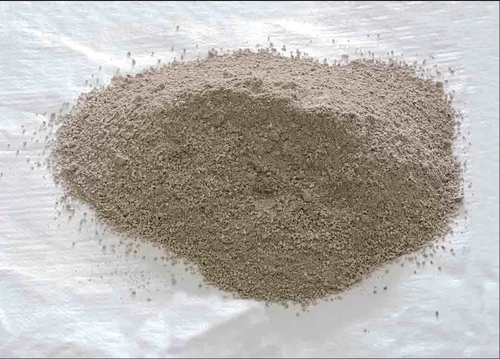
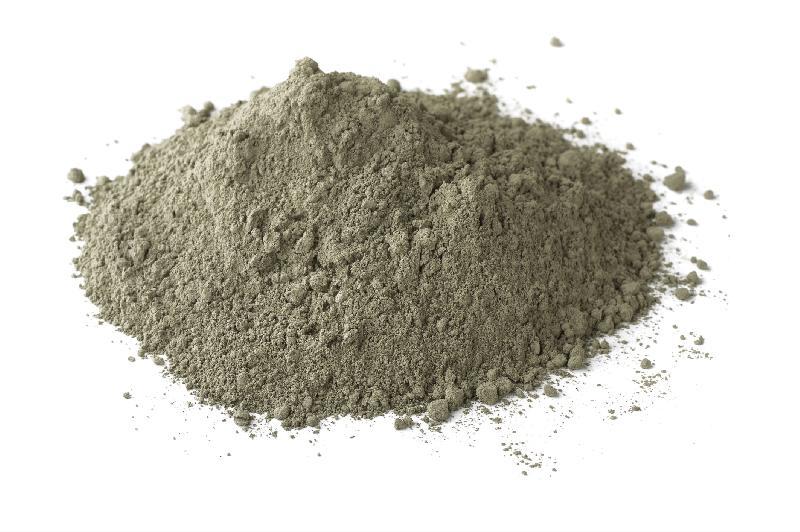
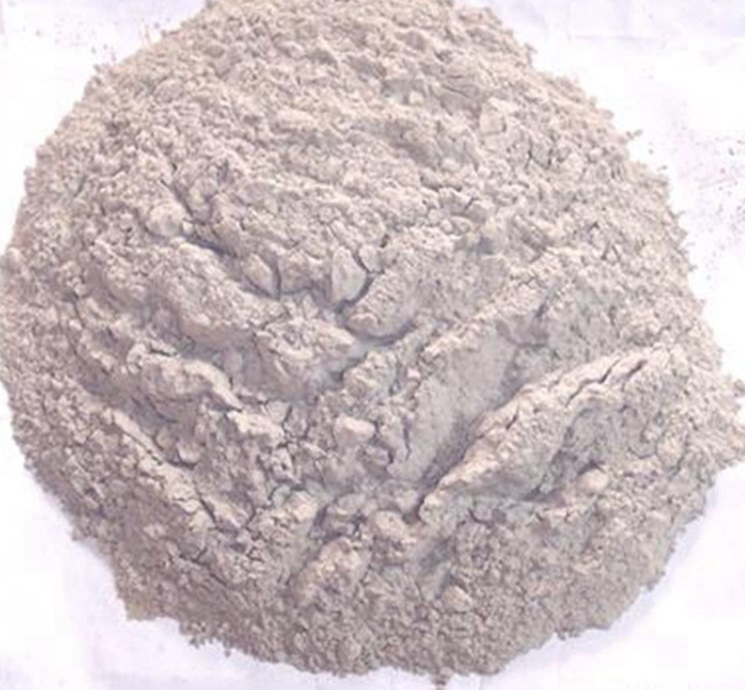
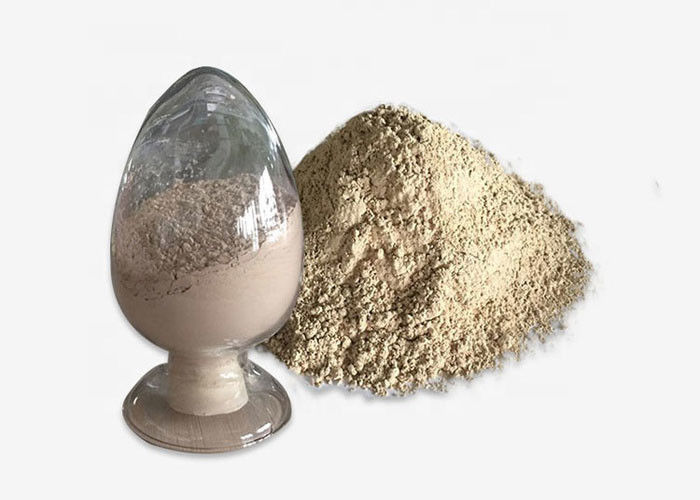

Price:
- 50
- 100
- 200
- 250
- 500
- 1000+

More Products in Basic Refractories Category
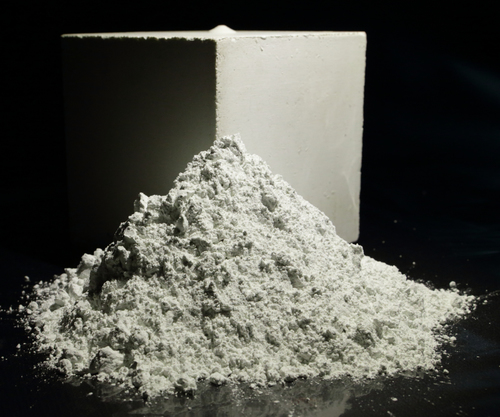
Silicate Cement
Price Range 1350.00 - 1450.00 USD ($) / Metric Ton
Minimum Order Quantity : 20 MT Metric Tons
Specific Gravity : 2.3 2.5
Usage & Applications : Hightemperature sealing, lining, jointing in industrial furnaces and kilns
Thermal Conductivity : Low (approx. 0.2 0.25 W/mK)
Density : 2.5 Gram per cubic centimeter(g/cm3)
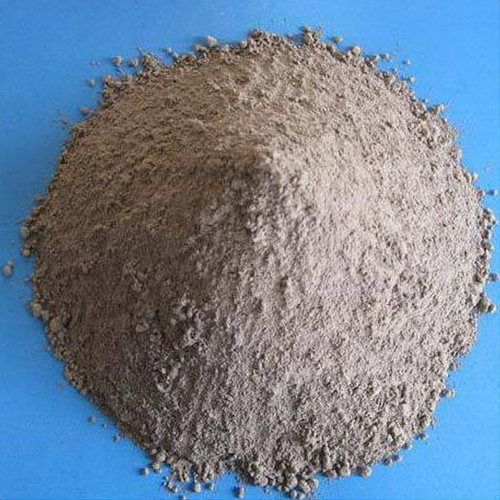
Refractory Concrete
Price Range 100.00 - 800.00 USD ($) / Metric Ton
Minimum Order Quantity : 20 MT Metric Tons
Specific Gravity : 2.52.7
Usage & Applications : High temperature insulation, Furnace lining, Boiler walls
Thermal Conductivity : Low
Density : 2400 Gram per cubic centimeter(g/cm3)
Basic Monolithics
Price Range 100.00 - 800.00 USD ($) / Metric Ton
Minimum Order Quantity : 20 MT Metric Tons
Specific Gravity : 2.85 3.15
Usage & Applications : Used for lining furnaces, kilns, incinerators and reactors.
Thermal Conductivity : Low to Medium
Density : 3.1 Gram per cubic centimeter(g/cm3)

Silicon Carbide Refractories
Price Range 200.00 - 300.00 USD ($) / Metric Ton
Minimum Order Quantity : 20 MT Metric Tons
Specific Gravity : 2.653.10 g/cm
Usage & Applications : Furnace linings, kiln furniture, crucibles, incinerator linings, and wearresistant linings.
Thermal Conductivity : Excellent (at 1200C: ~1016 W/mK)
Density : 2.85 Gram per cubic centimeter(g/cm3)



Contact Details
GST : 24BDKPS7263P1ZO

 Send Inquiry
 |
CMS INDUSTRIES
All Rights Reserved.(Terms of Use) Developed and Managed by Infocom Network Private Limited. |
