 English
 Spanish
 French
 German
 Italian
 Chinese (Simplified)
 Japanese
 Korean
 Arabic
 Portuguese



 Send Inquiry
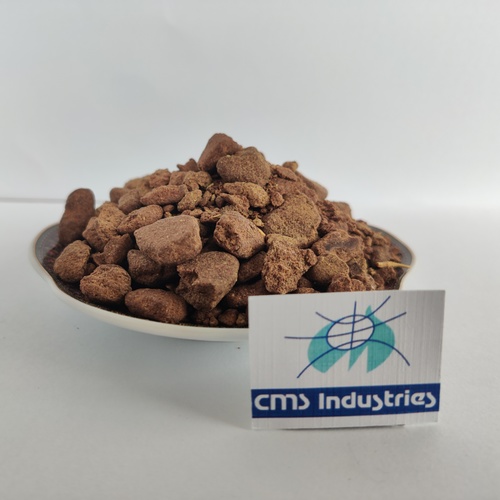
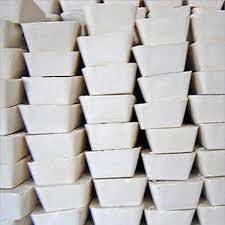
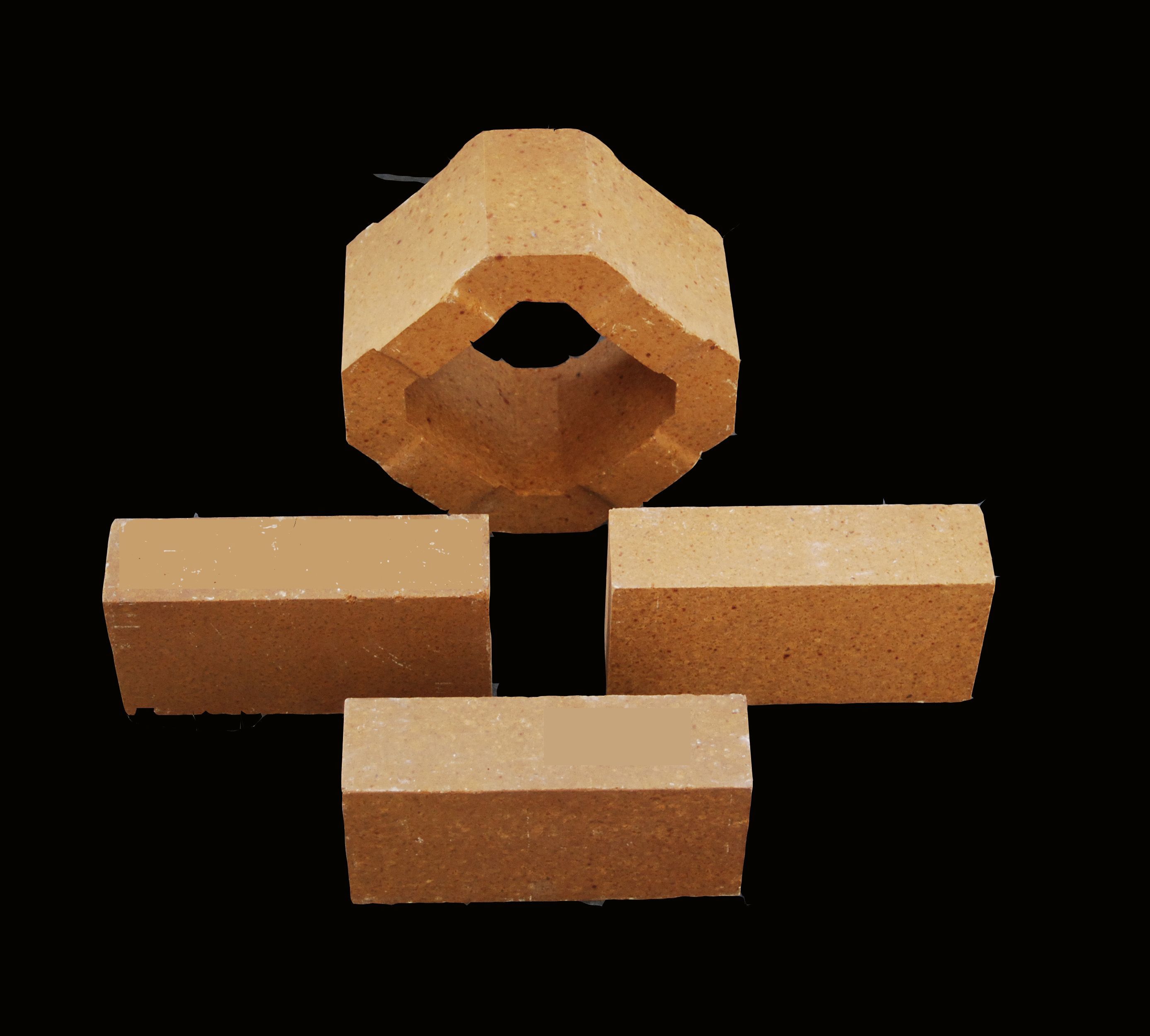
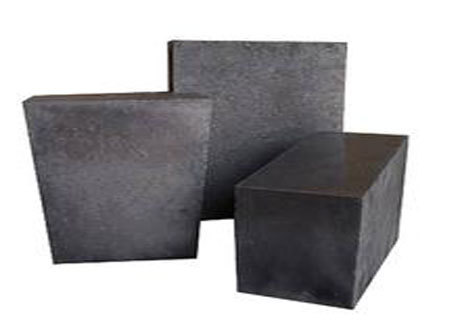
Magnesia Carbon Bricks
Magnesia Carbon Bricks Specification
- Form
- Solid Brick
- Purity(%)
- Above 97%
- Water Absorption
- 0.3%
- Chemical Composition
- MgO > 70%, C = 10-20%
- Usage & Applications
- Steel Industry, ladle lining, converters, electric arc furnace walls and roofs
- Melting Point
- 2800C (approx.)
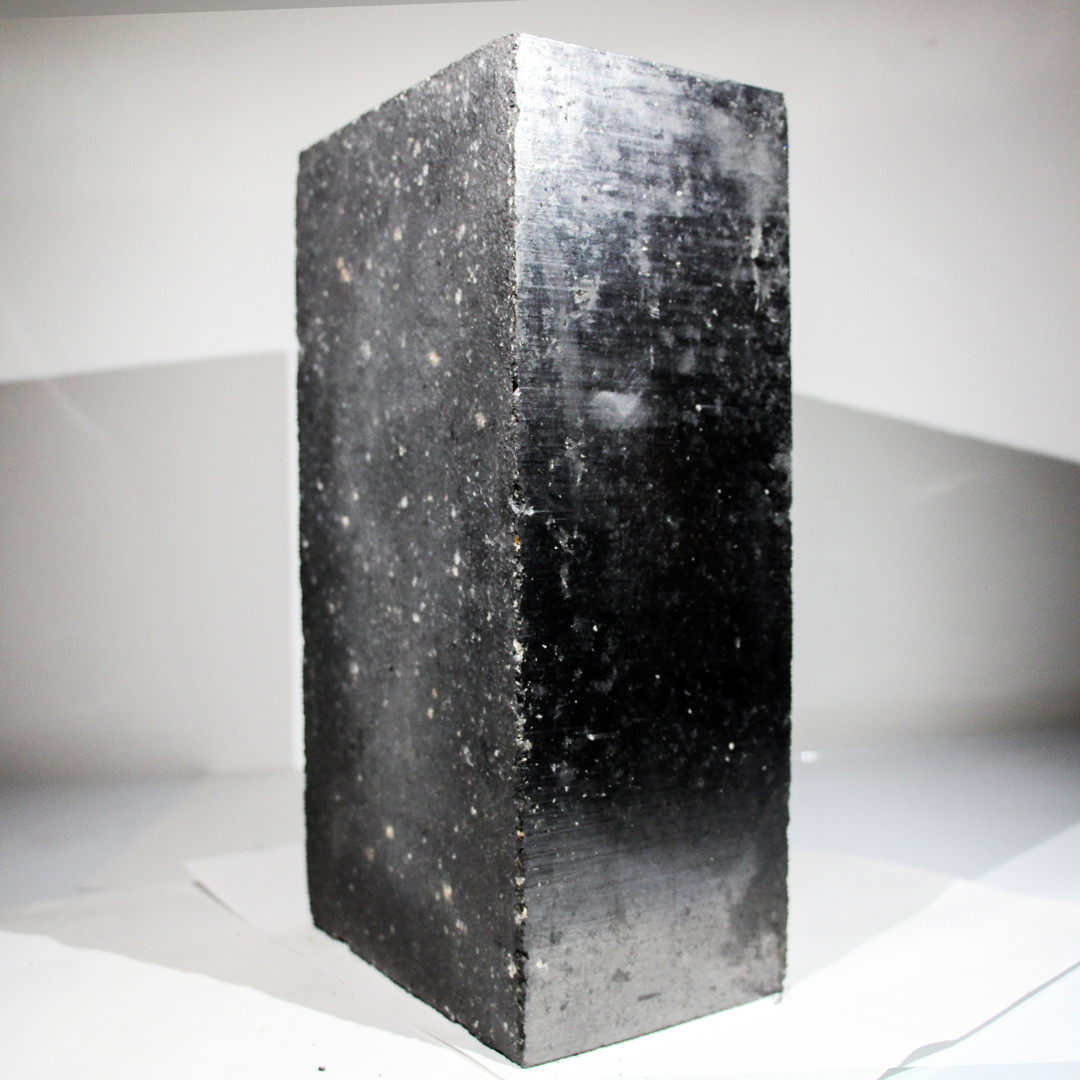
- Surface Finish
- Smooth
- Density
- 3.1 Gram per cubic centimeter(g/cm3)
- Application
- Steel making furnaces, ladles, converters, EAF lining
- Hardness (%)
- 85%
- Product Type
- Refractories
- Types of Refractories
- Basic Refractory
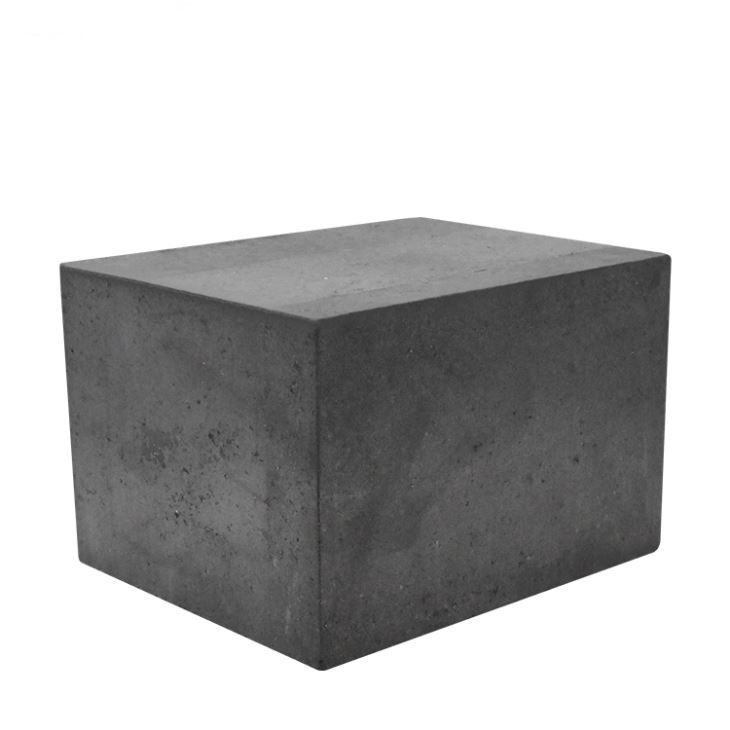
- Shape
- Rectangular / Brick-shaped
- Porosity
- Low ( 6%)
- Dimensional Stability
- Excellent at high temperature
- Strength
- Cold Crushing Strength: 25-35 MPa
- Specific Gravity
- 2.9 - 3.0
- Thermal Conductivity
- High
- Color
- Black / Dark Grey
- Thermal Shock Resistance
- Excellent
- Binding Agent
- Phenolic resin
- Usage Area
- Steel plants, foundries, iron making industries
- Modulus of Rupture
- 6-10 MPa
- Oxidation Resistance
- With anti-oxidants for improved performance
- Maximum Operating Temperature
- 1600C - 1800C
- Bulk Density
- 2.9-3.1 g/cm
- Size
- 230x114x65 mm and customized
- Apparent Porosity
- 2-6%
- Service Temperature
- Up to 1600C
Magnesia Carbon Bricks Trade Information
- Minimum Order Quantity
- 500 Pieces
- FOB Port
- Mundra
- Payment Terms
- Letter of Credit (L/C), Telegraphic Transfer (T/T), Western Union, Delivery Point (DP), Days after Acceptance (DA)
- Supply Ability
- 5000 Pieces Per Month
- Delivery Time
- 7-12 Days
- Sample Available
- Yes
- Sample Policy
- Free samples are available
- Main Export Market(s)
- Australia, Eastern Europe, Western Europe, Middle East, Central America, South America, Asia, North America, Africa
Magnesia Carbon Bricks About
Magnesia Carbon Bricks
Superior Refractory Performance
Magnesia Carbon Bricks offer excellent performance at high temperatures, with maximum operating temperatures reaching 1800C and a melting point of approximately 2800C. Their robust structure, low porosity, and high thermal conductivity make them essential for demanding thermal applications in steel-making and iron-processing industries.
Exceptional Durability and Strength
Engineered with a cold crushing strength of 25-35 MPa and a modulus of rupture between 6-10 MPa, these bricks withstand mechanical and thermal stresses encountered in furnaces and ladles. The use of phenolic resin as a binding agent further contributes to their longevity and reduces water absorption below 0.3%.
Versatile and Customizable Solutions
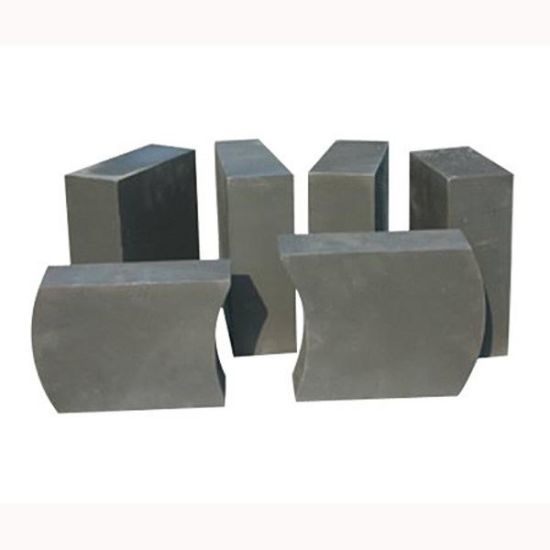
Available in standard and customizable sizes, Magnesia Carbon Bricks are well-suited for diverse steel industry usage, including ladle linings, converter walls, and EAF roofs. Their high purity, smooth surface, and excellent dimensional stability enable precise installation and extended refractory service life.
FAQ's of Magnesia Carbon Bricks:
Q: How are Magnesia Carbon Bricks used in steel plants?
A: Magnesia Carbon Bricks are primarily used as lining materials in steel-making furnaces, ladles, converters, and electric arc furnace (EAF) walls and roofs. Their excellent thermal shock and oxidation resistance make them ideal for withstanding the rapid temperature changes and corrosive environments found in steel plants.Q: What benefits do anti-oxidants add to Magnesia Carbon Bricks?
A: Anti-oxidants incorporated into Magnesia Carbon Bricks enhance oxidation resistance, extending brick life during high-temperature operations. They prevent carbon oxidation, thereby maintaining structural integrity and reducing maintenance frequency in aggressive furnace conditions.Q: When should Magnesia Carbon Bricks be selected for industrial applications?
A: These bricks should be chosen when high-temperature resilience, thermal shock resistance, and low porosity are required. Applications such as steel-making, iron manufacturing, and foundry operations benefit from their dimensional stability and resistance to chemical and thermal attack.Q: What is the process for installing Magnesia Carbon Bricks in a furnace lining?
A: Installation involves placing the bricks in the designated area, ensuring close alignment for a strong refractory wall. Phenolic resin binding agent is often used to enhance adhesion, and customized sizes allow for optimal fitting in complex furnace designs, improving thermal insulation and performance.Q: Where can Magnesia Carbon Bricks be sourced or supplied?
A: Magnesia Carbon Bricks are available from exporters, manufacturers, and suppliers in India and globally. Ensuring a reputable supplier guarantees access to bricks with verified chemical composition, mechanical strength, and dimensional accuracy needed for demanding industrial environments.Q: What makes the bricks suitable for service temperatures up to 1800C?
A: Their high MgO content (over 70%) and carbon levels (10-20%), combined with low porosity and high density, enable the bricks to endure extreme temperatures. This ensures reliable operation and longevity in furnaces operating at up to 1800C.Q: How does the low porosity of Magnesia Carbon Bricks benefit furnace applications?
A: Low porosity ( 6%) reduces the risk of slag and gas penetration, improving the longevity and efficiency of furnace linings. This enhances the overall structural performance and minimizes downtime caused by refractory wear.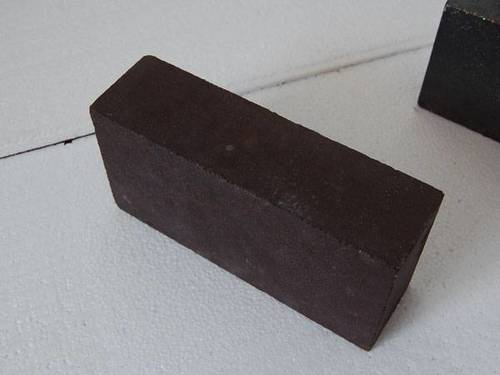

Price:
- 50
- 100
- 200
- 250
- 500
- 1000+

More Products in Bricks Category
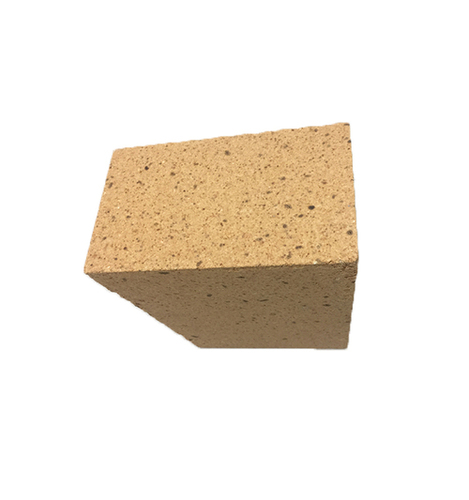
Cupola Bricks
Price Range 0.20 - 0.50 USD ($) / Piece
Minimum Order Quantity : 500 Pieces
Strength : Cold Crushing Strength >350 kg/cm
Water Absorption : 2 5%
Form : Solid Brick
Product Type : Refractories
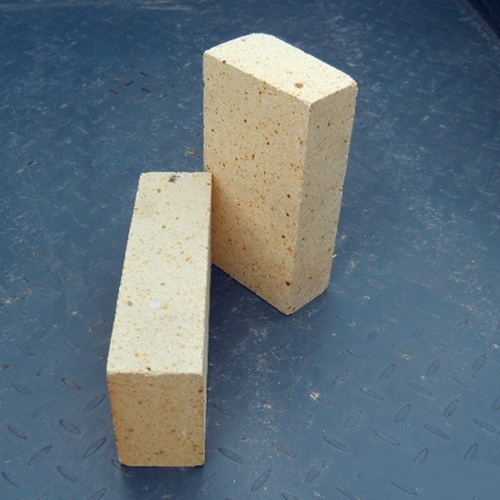
Silica Bricks
Price Range 1.50 - 3.00 USD ($) / Piece
Minimum Order Quantity : 500 Pieces
Strength : Cold Crushing Strength > 35 MPa
Water Absorption : < 5%
Form : Solid Brick
Product Type : Refractories
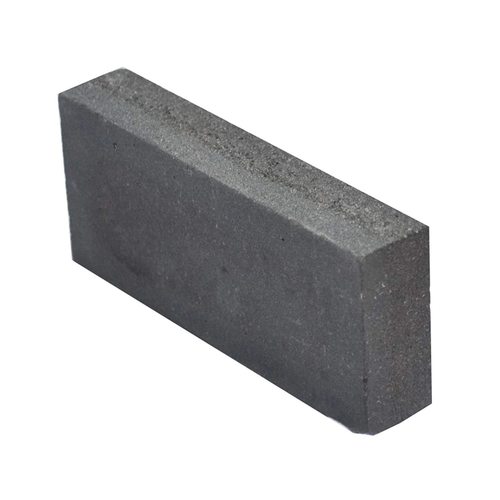
Silicon Carbide Brick
Price Range 2.00 - 10.00 USD ($) / Piece
Minimum Order Quantity : 500 Pieces
Strength : Cold Crushing Strength 50 MPa
Water Absorption : <0.5%
Form : Solid brick, standard & custom sizes
Product Type : Refractories
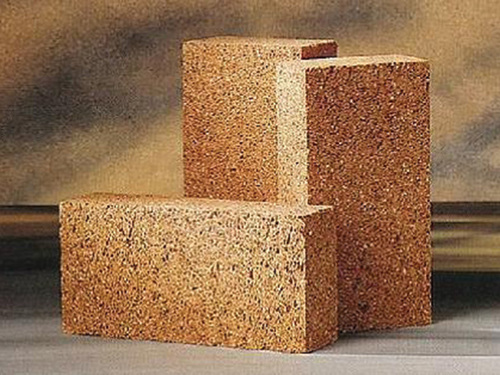
Insulation Bricks
Price Range 1.00 - 3.00 USD ($) / Piece
Minimum Order Quantity : 500 Pieces
Strength : High mechanical strength
Water Absorption : 1820%
Form : Solid
Product Type : Refractories



Contact Details
GST : 24BDKPS7263P1ZO

 Send Inquiry
 |
CMS INDUSTRIES
All Rights Reserved.(Terms of Use) Developed and Managed by Infocom Network Private Limited. |
